
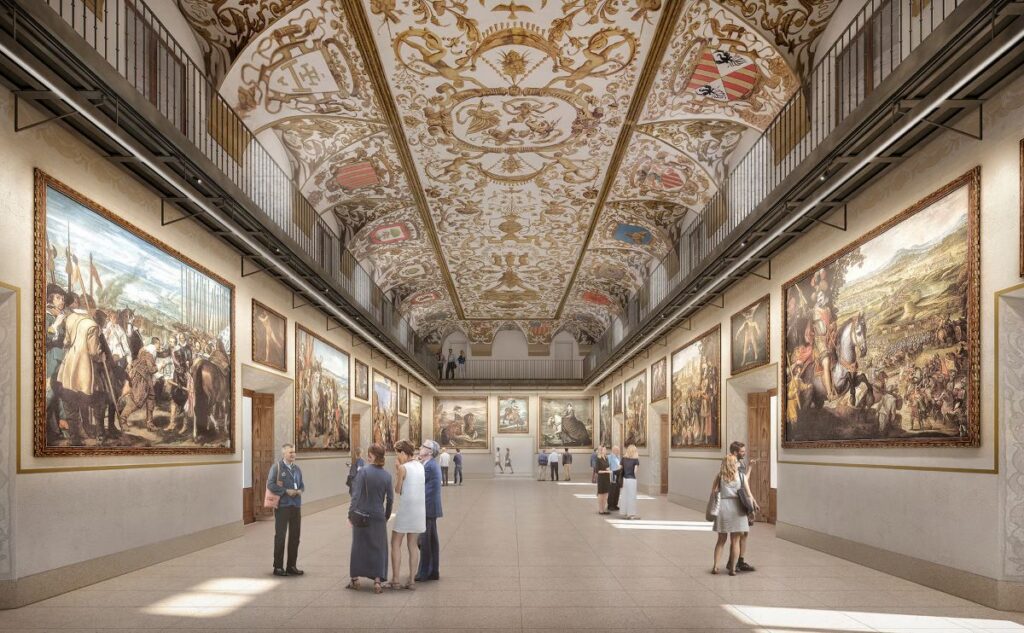
The restored Salon de Reinos re-emerges as a distinguished cultural landmark within Madrid’s Prado Campus © Foster + Partners
Curated by ArchiRev Editorial | Published September 3rd, 2026 | Source: Foster + Partners
Project Details
Architect: Foster + Partners in collaboration with Rubio Arquitectura
Location: Madrid, Spain
Typologies: Museum, Cultural, Heritage Restoration, Adaptive Reuse
Themes: Cultural Architecture, Heritage Conservation, Adaptive Reuse, Museum Design, Public Realm
Status: Under Construction
Client: Museo Nacional del Prado
The development of cultural institutions sometimes requires their ability to keep the past alive while meeting current needs. The restoration and transformation of the historical Salon de Reinos, which is currently carried out by Foster + Partners and Rubio Arquitectura at the Prado Museum in Madrid, gives new life to one of the few preserved buildings of the Buen Retiro Palace of the seventeenth century. The intervention reinforces the museum campus by renovating the architectural value of the building and adding new spaces for exhibitions, education, and public activities. Located on the eastern perimeter of the Prado Museum campus, the Salon de Reinos has had different uses during its existence. First, it was designed to be the ceremonial hall of the Buen Retiro Palace; then, it had some military use; and finally, it became part of the museum expansion plan. The intervention not only aims at preserving this unique building but also at reintegrating it into the cultural context of Madrid with the help of an architectural solution.
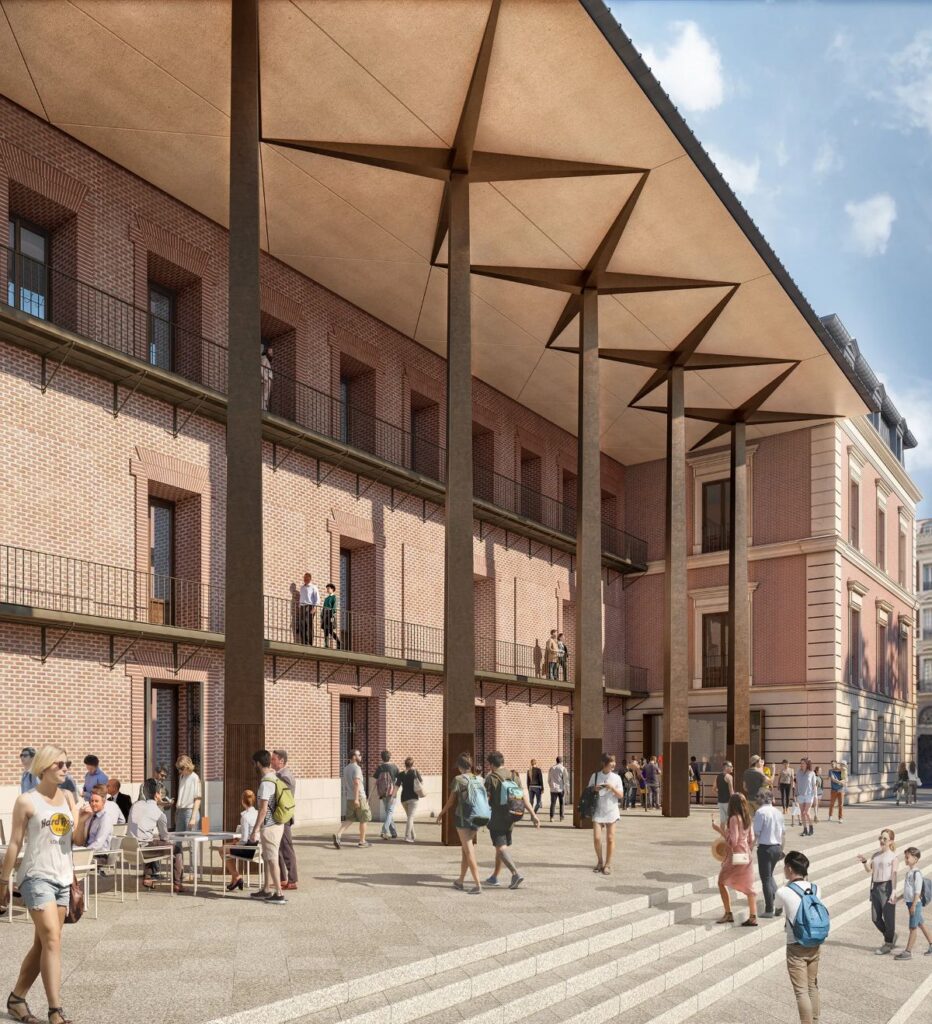
Historic façades are carefully restored while new architectural interventions remain subtle and respectful © Foster + Partners
The new design brings back the original character of the building by stripping away subsequent additions that hid its true dimensions and architectural identity. The main façades of the building are carefully preserved in order for its historic masonry, windows, and details to reclaim their importance. New additions to the building do not clash with the existing architecture but rather complement it in a way that clearly separates the old from the new. In this way, the history of the building can be enjoyed without taking away from its current use as a modern museum.
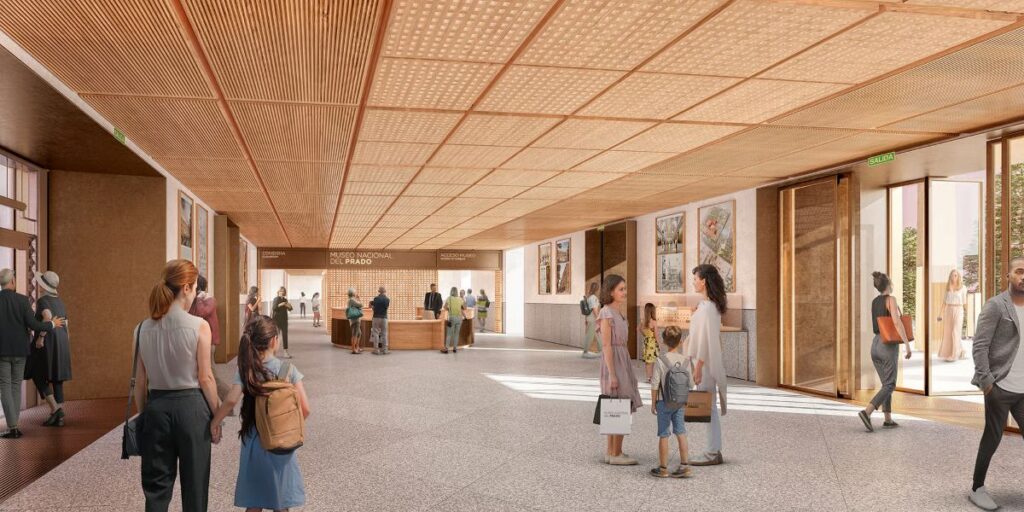
New entrances and public spaces improve accessibility and strengthen connections across the museum campus © Foster + Partners
Accessibility is an important aspect of the process of transformation. New entrances have been created to facilitate better circulation of the visitors and to make a stronger connection between the Salon de Reinos, the Prado Museum, and the rest of the city. Public paths are re-routed to provide a more welcoming entrance and to allow visitors to flow seamlessly within the enlarged museum complex. This improvement in accessibility makes the historical building an integral part of the larger cultural network of Madrid.
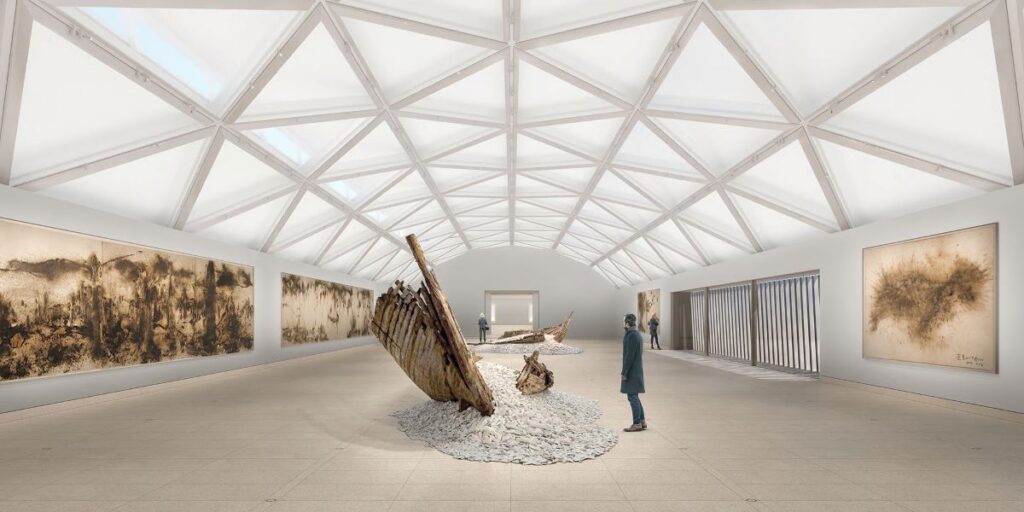
Contemporary gallery spaces are inserted within the restored historic structure. © Foster + Partners
Internally, the refurbishment strikes an appropriate balance between preservation and adaptability. The new galleries have been planned in such a way that they will be able to host temporary exhibitions without affecting the most important historic interiors of the building. The refurbished Hall of Realms continues to act as the centre of the building from an architectural and cultural point of view. Exhibition spaces, services for visitors, and education facilities have been incorporated discreetly into the building.
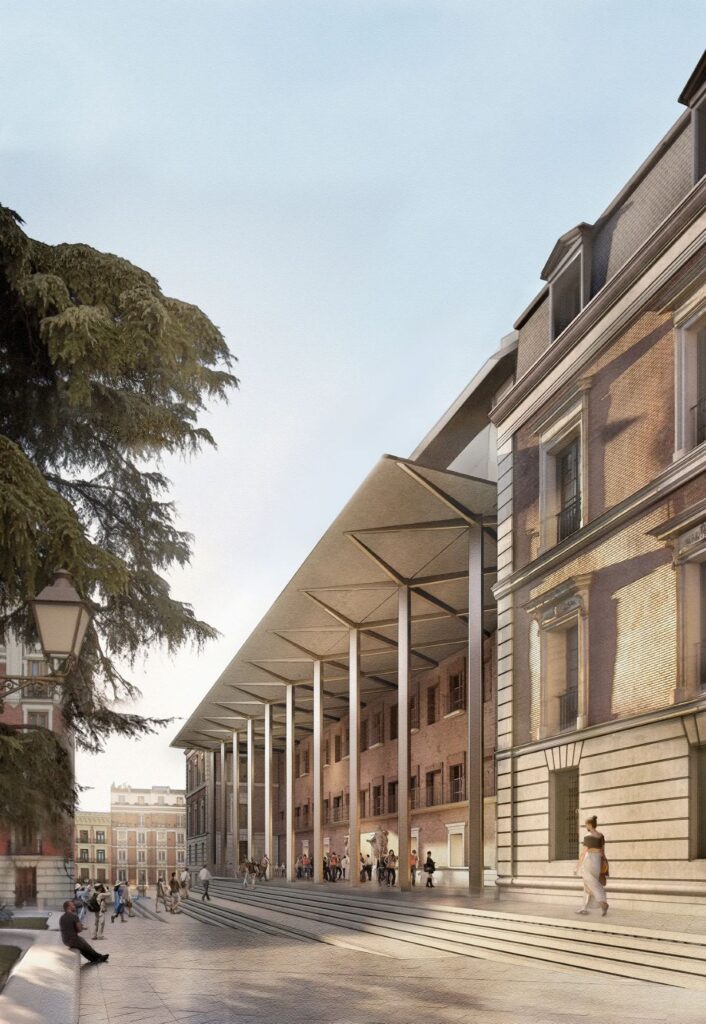
Daylight and carefully crafted architectural details enrich the renewed visitor experience © Foster + Partners
Natural lighting is a key element in the process of change. Well-placed openings and restored windows will allow maximum use of natural light where appropriate while securing the delicate exhibition spaces. The renovated interiors blend historic architecture with modern materials to create a timeless yet flexible environment. The juxtaposition of tradition and innovation helps keep the building historically evocative while meeting the needs of a modern museum.
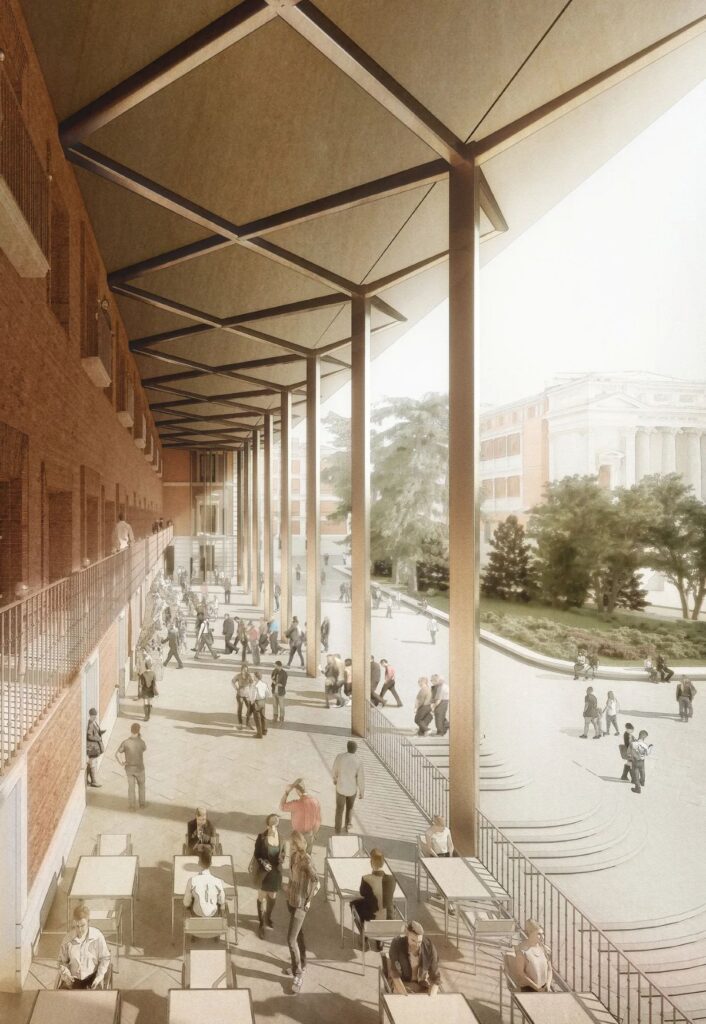
The completed restoration reinforces the Prado Museum campus as one of Europe’s leading cultural destinations © Foster + Partners
The sustainability aspect of the project lies in the use of the adaptive reuse of the existing structure, thus prolonging the life of the heritage building while reducing the environmental impact that would have been caused by constructing a new building. The design shows how a restoration project can be environmentally sustainable while preserving cultural heritage at the same time. Once the project is completed, the Salon de Reinos will be an essential element of the expanded Prado Museum campus, adding more space for exhibitions and reviving one of Madrid’s historically significant buildings. Foster + Partners and Rubio Arquitectura have undertaken this project with precision, letting the architecture speak the story of several centuries and create a flexible cultural centre alongside the famous museum.