
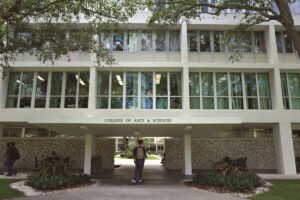
Brilliant and Unprepared
The disconnect between architectural education and reality has been increasing for years, and the gulf has become so great that one could consider it a crisis within the profession. Students graduate from some of the most mentally challenging and artistically rigorous programs in higher education—thoughtful, sophisticated, and able to produce work of impressive vision. In addition, they are often left unprepared to read a contract, handle a client, lead a consultant team, know how to construct a schedule, or create drawings that builders can use. The education was outstanding. The preparation was poor. And the profession bears the burden of the discrepancy, at significant expense to all concerned.

This is not an attack on intellectual ambition in architectural education. The ability to think critically, imagine spatially, and design rigorously taught by the very best schools of architecture is worth having and extremely hard to learn. It is a claim that something is being neglected in the preparation of the profession’s future practitioners and that the consequences of this omission are grave enough to warrant a frank discussion of the true purpose of architectural education.


What the Studio Teaches and What It Does Not
One of the most unique learning spaces across all disciplines is undoubtedly the architecture studio. Intense and transformative, the studio experience is one that prepares many of its graduates for a lifetime of practice and success in the field. In addition, the tradition of the crit, where work is presented to an audience of critics and defended in the face of their scrutiny, helps to instill certain intellectual and communicative qualities that prove useful in the professional career of the architect. The culture of continuous improvement and rethinking helps to form individuals with unique creative abilities, highly valued by other professionals.
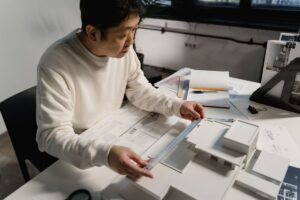
What is missing in the education process offered in the architecture studio is practical skills. While in architecture school, the building projects exist in a perfect vacuum devoid of budgetary limitations, planning restrictions, contractors, changing client requests, and other real-world factors that make design concepts and plans become something entirely different, the graduate learns to design fantastic and innovative buildings and spends very little time learning how to create ordinary yet practical buildings. Most architects deal with the latter type of structures throughout their whole professional career.
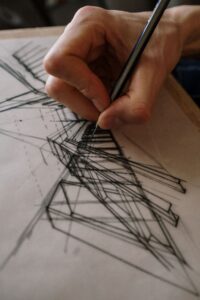
What is the outcome? A person trained in a profession that barely exists in reality. The visionaries, people working in the intersection of architecture, culture, and ideas, comprise only a small part of actual practice in architecture. The bulk of an architect’s professional career is spent dealing with relationships, regulations, information, and decision-making in the conditions of uncertainty, restriction, and interests of various parties involved. All these are skills, and they could be taught. Yet, they are not.
The Cost of the Gap
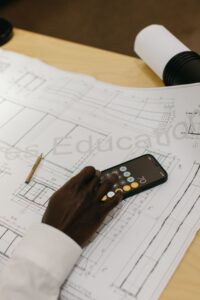
The costs of the discrepancy fall disproportionately upon those who cannot pay them. Architecture graduates from an economically secure background—those who have enough money to earn nothing or little in exchange for working at prestigious practices in order to gain the experience that their education never offered them—fare much better in the process. Those without such economic security frequently abandon the field altogether within the years after graduation.
Diversity in the field of architecture cannot be addressed without addressing this issue. Education in architecture is expensive; the first years after graduation are financially brutal, and the benefits of practicing are long in coming and disproportionately distributed. The individuals capable of enduring these realities are the individuals with economic security, and that is not a demographic profile of the population architecture serves.

What Reform Actually Looks Like
Reforming architectural education does not involve giving up the studio model of education nor turning design into an appendage of vocation-oriented training. It involves being realistic about what the current studio is good at and what it continually fails to accomplish—and creating a new educational curriculum that will do justice to both. It involves incorporating the principles of professional practice, project management, client interaction, and construction knowledge into the design curriculum rather than considering them to be additional burdens. It involves setting up a system whereby students from all socio-economic backgrounds can graduate from the school and join the profession without going bankrupt in the process.
As long as architectural schools keep measuring the quality of the future professionals in terms of conceptual audacity and formal innovation alone, architectural education will continue to be divorced from reality. The buildings that really make a difference in the lives of people are not the ones that have been featured in the final projects exhibition of the school. They are the ones that have been delivered on time, on budget, and with proper care about the people who will be using them. Educating architects on how to make these kinds of buildings—while still being creative—is the kind of reform that architecture needs.