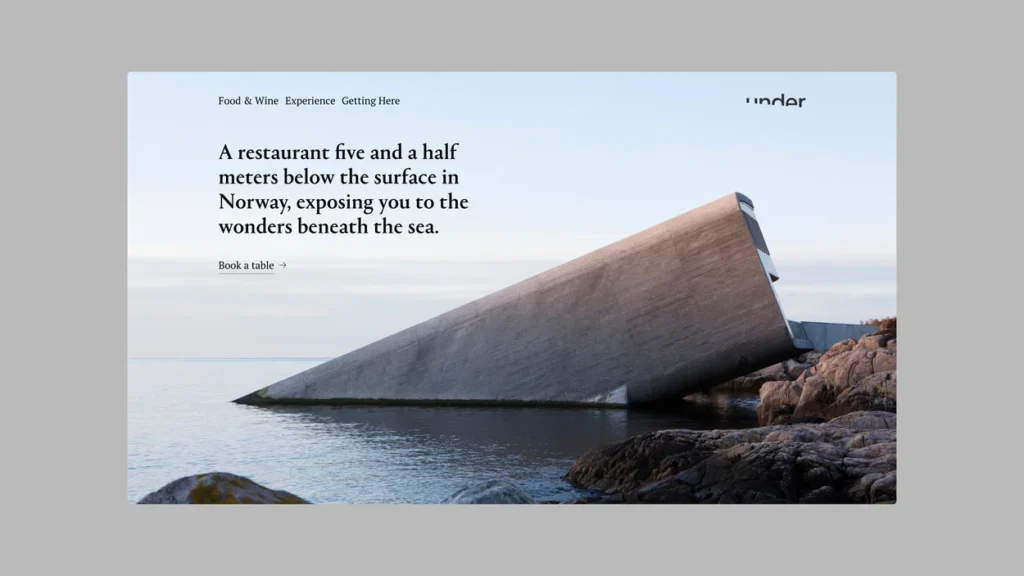
Exterior view of Under from the shoreline © Snøhetta
Curated by ArchiRev Editorial | Feature Story | Published May 6th, 2026 | Source: Snøhetta
Typologies: Hospitality, Education & Research, Destination
Status: Completed
Location: Lindesnes, Norway
Client: Stig and Gaute Ubostad
Collaborators:
Oak Cladding & Furniture: Hamran; Acoustic Ceiling Panels & Textiles: Kvadrat
Size: 495 m²
Photography: Ivar Kvaal, Inger Marie Grini
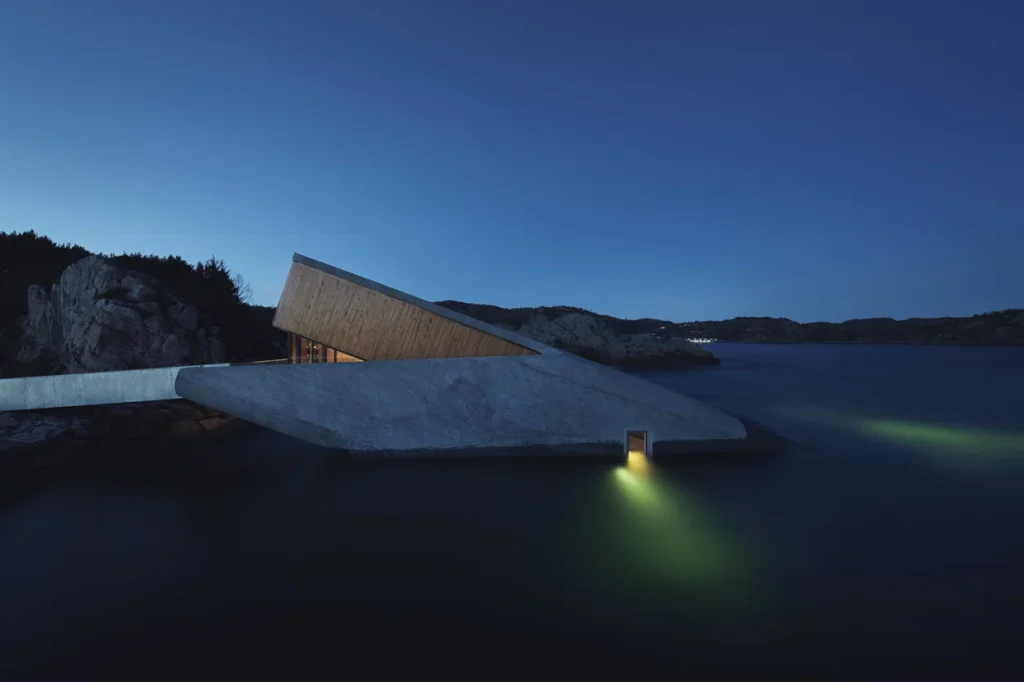
Under, which is the name of the first underwater restaurant in Europe near the southernmost edge of Norway, is located at a spot where the sea currents from the north and south converge. The restaurant is a concrete building that drops from the rocky shoreline down into the sea.
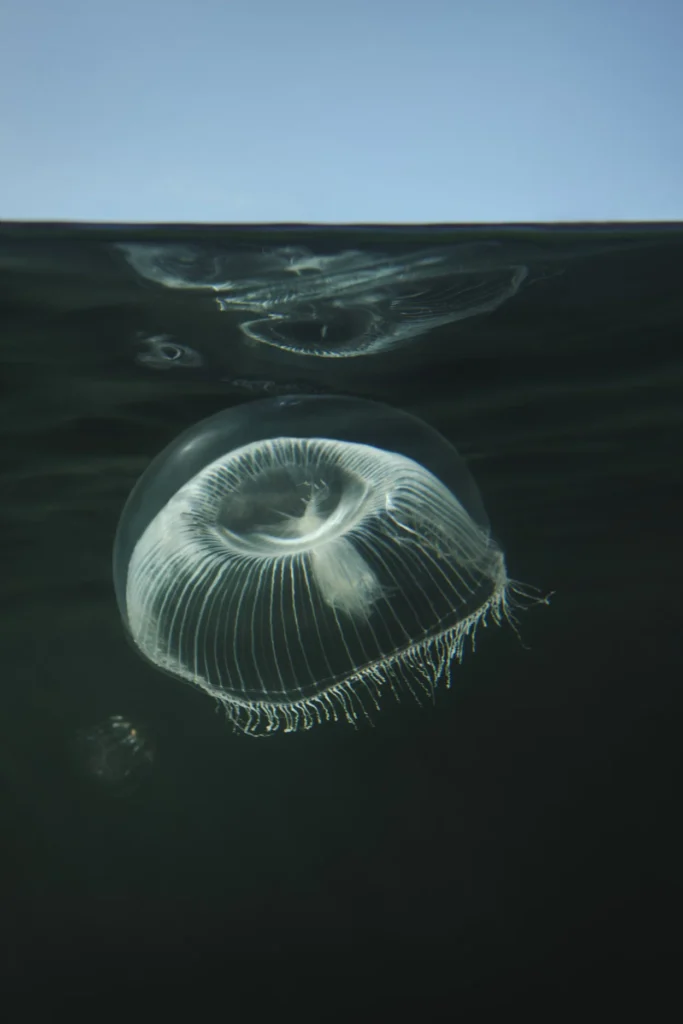
The location of Under is a unique spot where brackish and saltwater mix, providing a high degree of marine biodiversity where both nature and well-being have impacted the food that is offered in the restaurant.
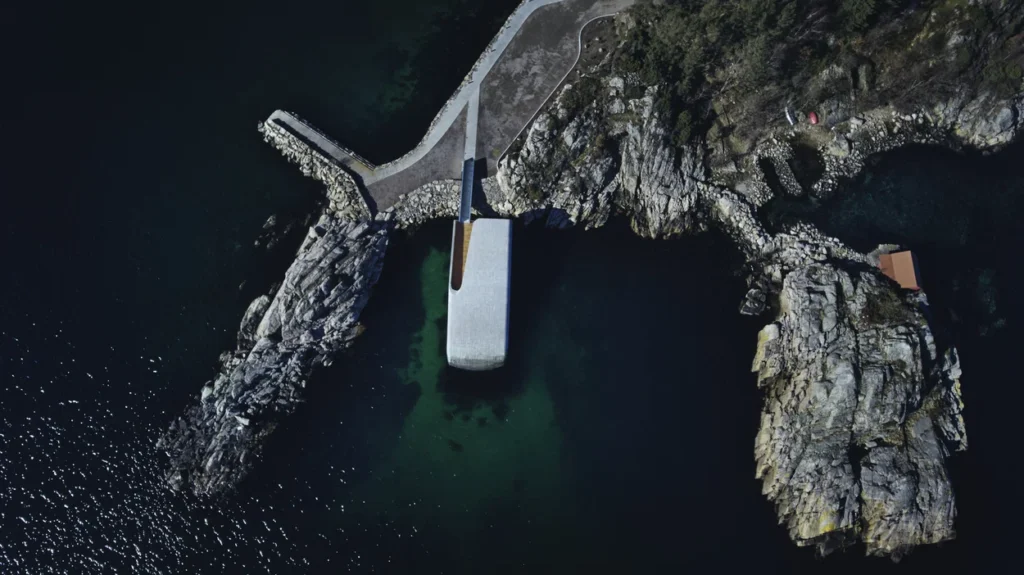
Side profile of the submerged construction against the coastline © Snøhetta
The word “under” in the Norwegian language means both “below” and “wonder,” and it has meaning in both ways for Under. The building is 34 meters high, starting at a given point on the land and slants out from that point until reaching the surface of the ocean and settling on the seabed at a depth of five meters.
The building is built to rest at half-sunk and absorb into its environment and hence does not compete with the environment around it but instead becomes part of that environment.
The building’s defining feature is its concrete shell, which has been created using a rough-textured material with a wall thickness of 0.5 meters, allowing it to endure the pressures and impact forces of one of Norway’s most exposed coastal sites.
However, in addition to providing structural strength, the outside surface will serve as an artificial reef through time, enabling the formation of limpets and kelp that will connect the building with the surrounding marine environment. The building’s orientation gives a horizontal perspective like a sunken periscope; it continues to peer out toward the ocean’s life even as it descends into the seabed.
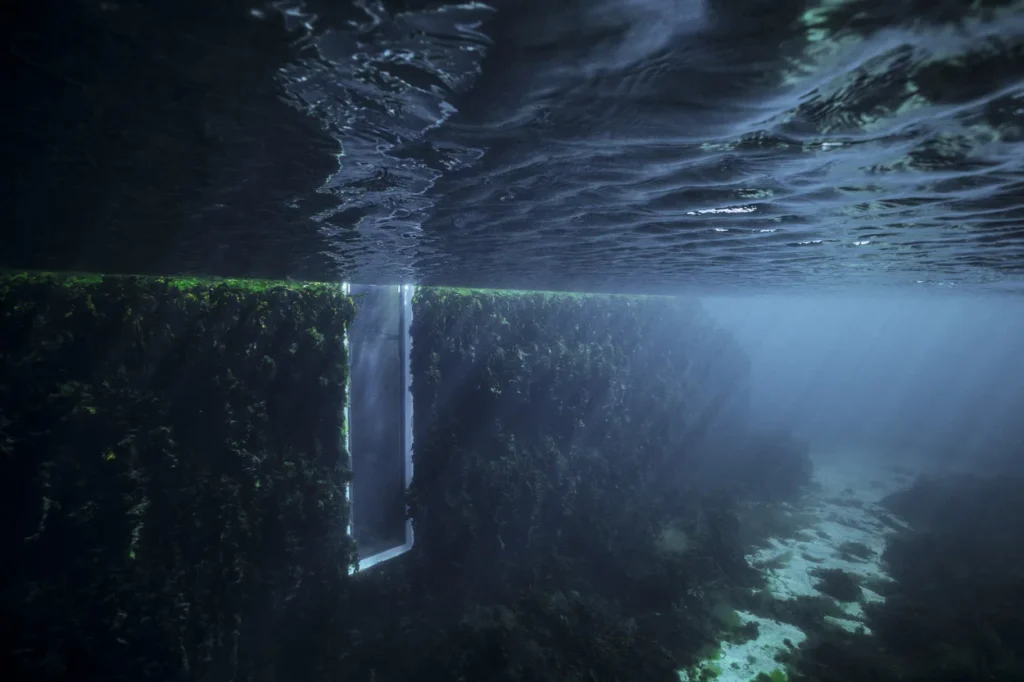
Underwater view of the concrete exterior with marine growth © Snøhetta
The visitor’s experience begins at the building’s threshold. Lindesnes is typically subject to sudden variations in the weather; it can be calm one moment and stormy the next. This temporal and physical separation between the internal and outside spaces is immediately sensed by the visitor upon entering the foyer. It is an oak-clad chamber that absorbs the outdoor warmth and light, replacing them with an intimate, silent place. It is the first experience the visitor experiences as they begin their descent down the architectural trip from land to sea.
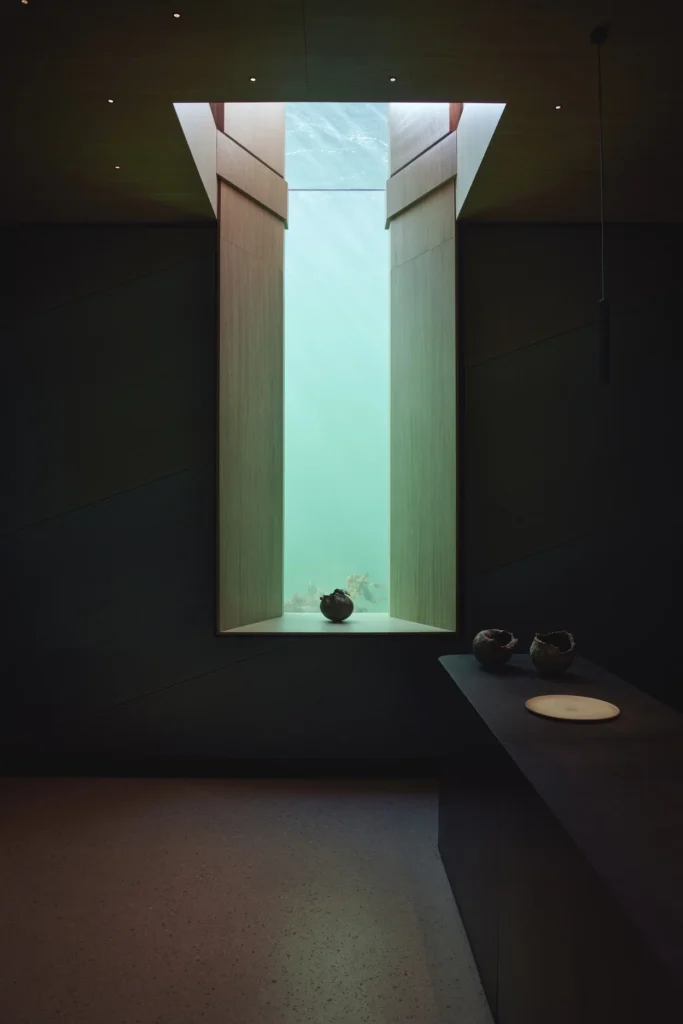
Oak-clad foyer interior at entry level © Snøhetta
Accompanying that descent is a special cloth made in partnership with Kvadrat. Named Under, the material clads 137 acoustic ceiling panels dispersed throughout the restaurant’s ceiling. Its colors alter gradually as diners travel below, evoking the palette of a sunset melting into ocean water. The panels perform a dual function: controlling the acoustics of the area while discreetly narrating the shift from one environment to another.
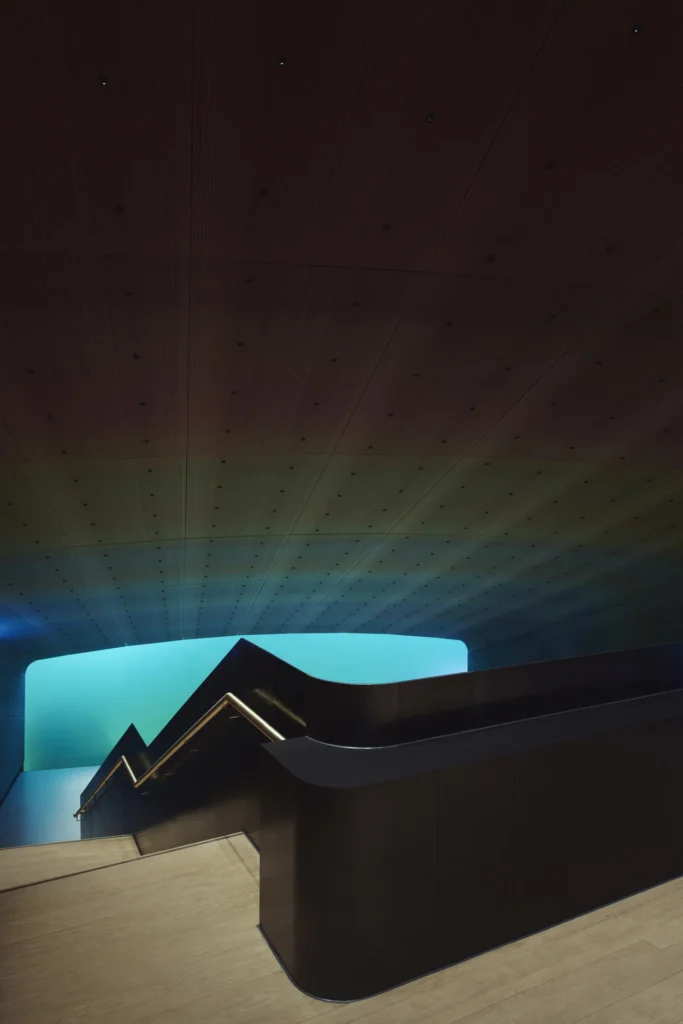
Multicoloured textile ceiling panels along the staircase descent © Snøhetta
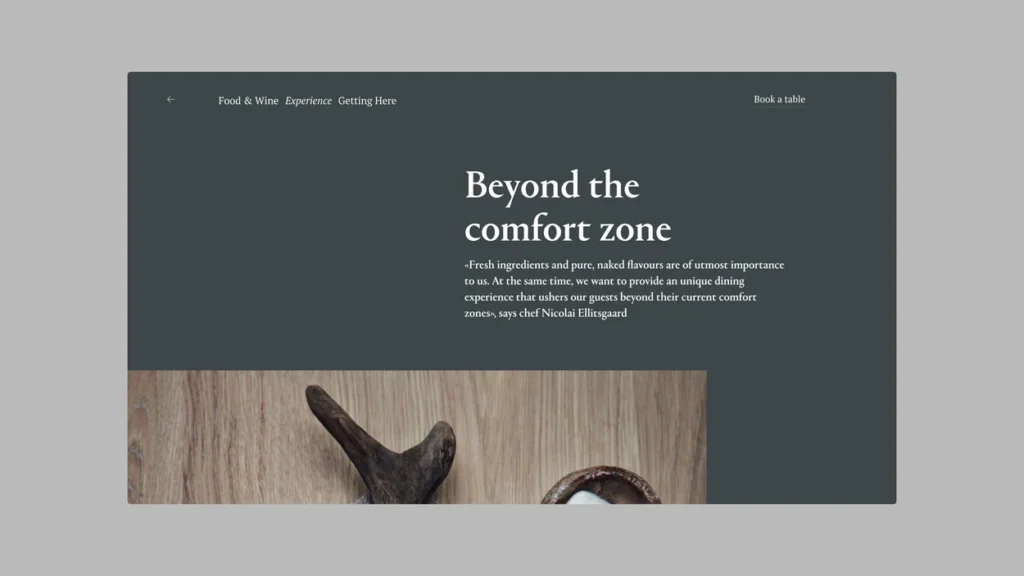
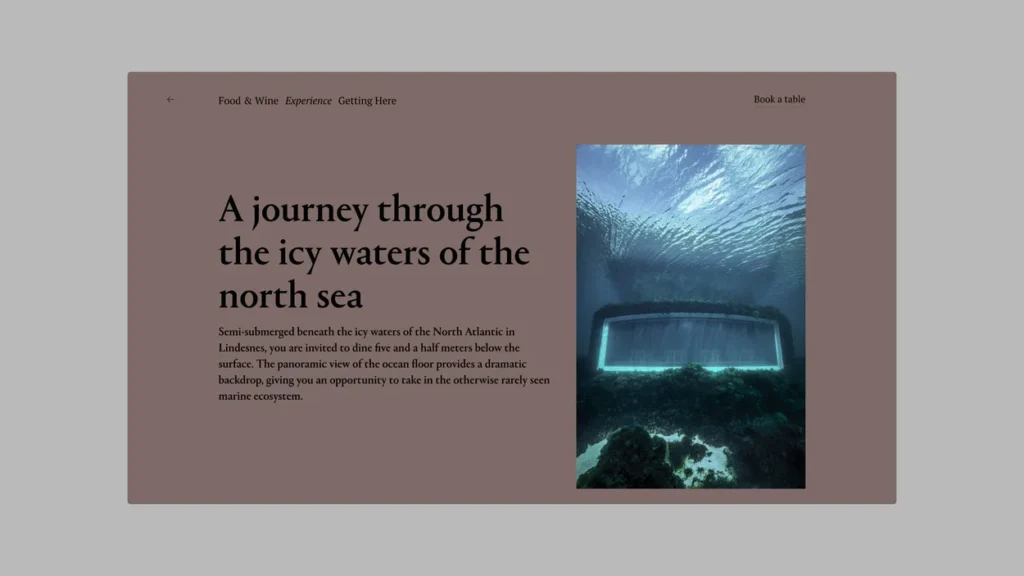
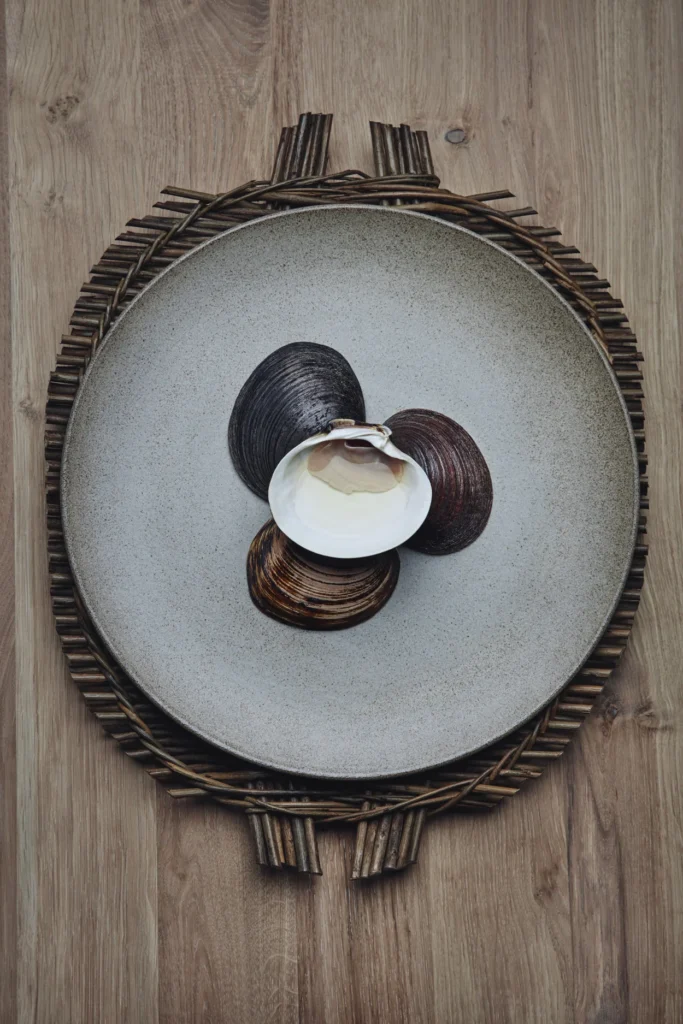
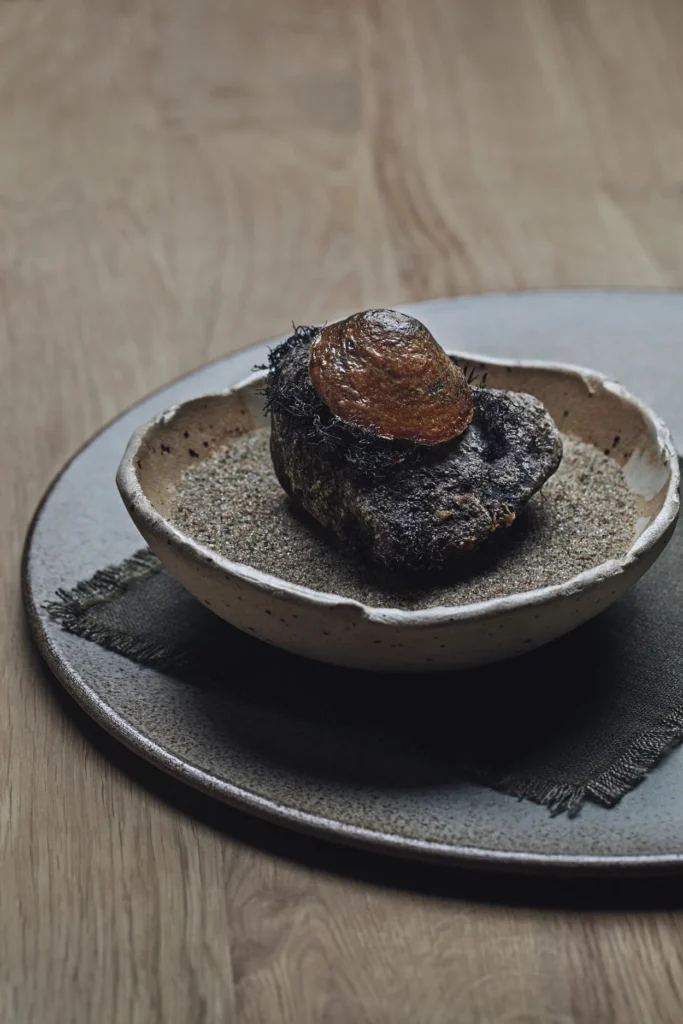
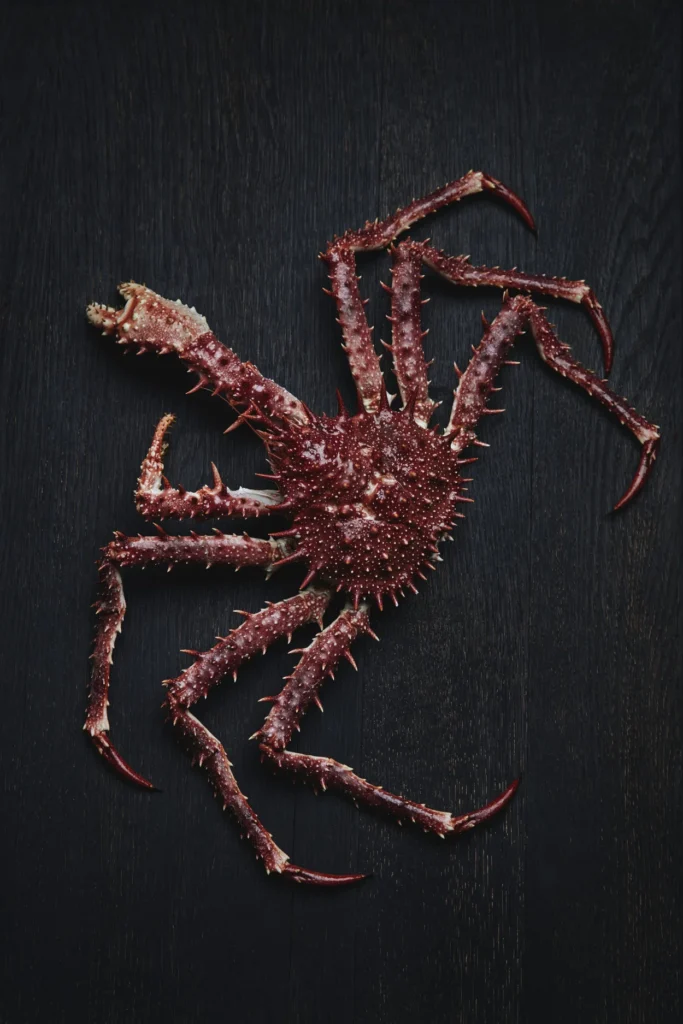
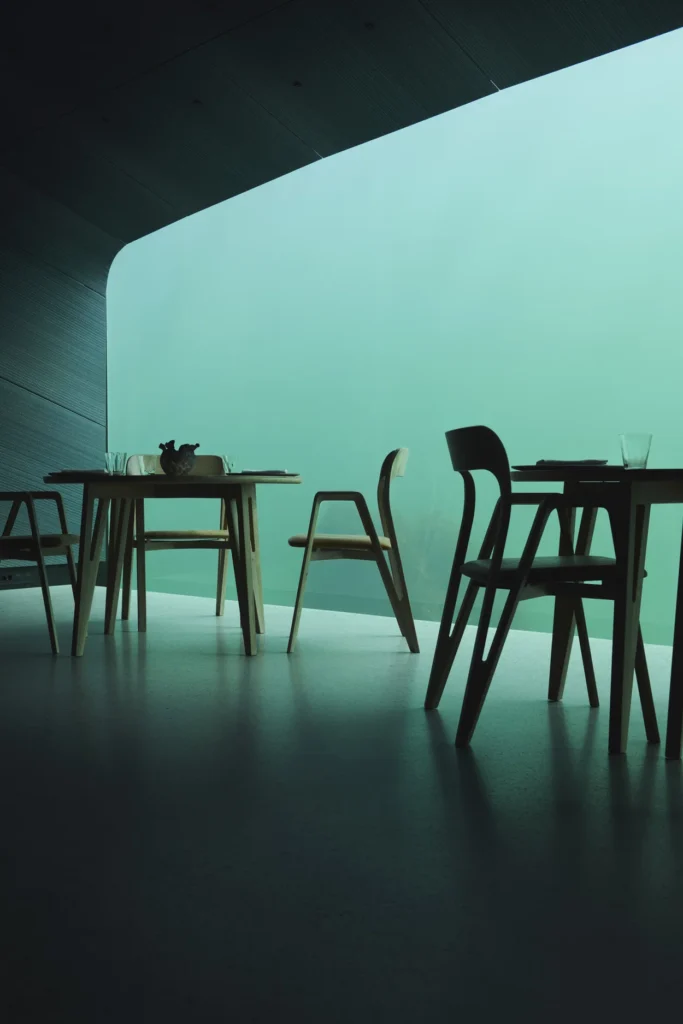
At the base of the building, the dining room seats between 35 and 40 guests within walls half a meter thick. The area is structured around a single enormous window that frames the seabed directly – a vista that changes with the seasons, the tides, and the light filtering down from above. Fish pass through the frame with indifference. The culinary programming is structured around locally sourced vegetables and sustainable animal capture, a cooking philosophy that parallels the building’s own relationship with the water.
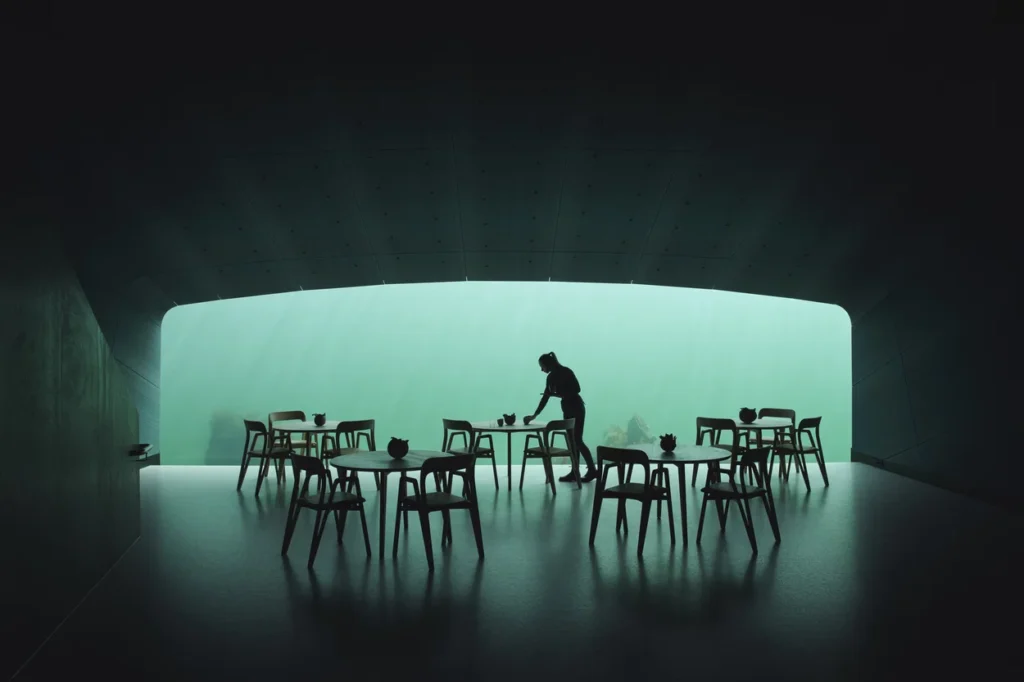
Dining room interior with panoramic seabed window © Snøhetta
The furniture was built in partnership with Hamran, a local carpenter studio. Snøhetta produced a collection of items focused on a chair conceived as a single continuous oak form — its angled corners mirroring the natural progression of branches from a tree stem. Made using traditional handicraft methods, the collection conveys the same material honesty as the structure itself: substantial, thoughtful, and free of needless gesture.
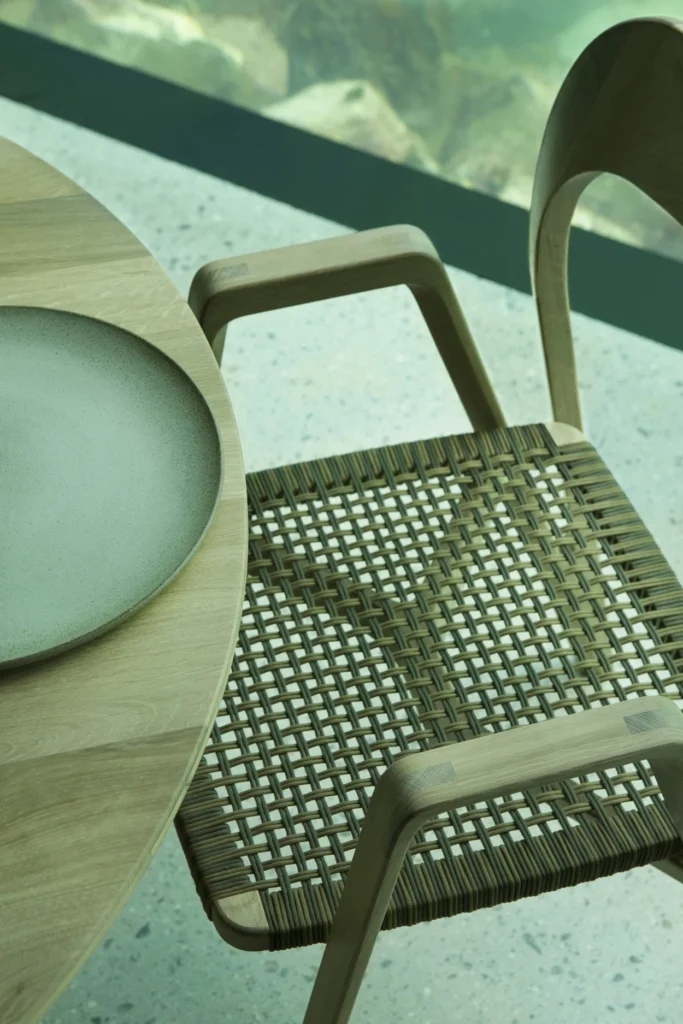
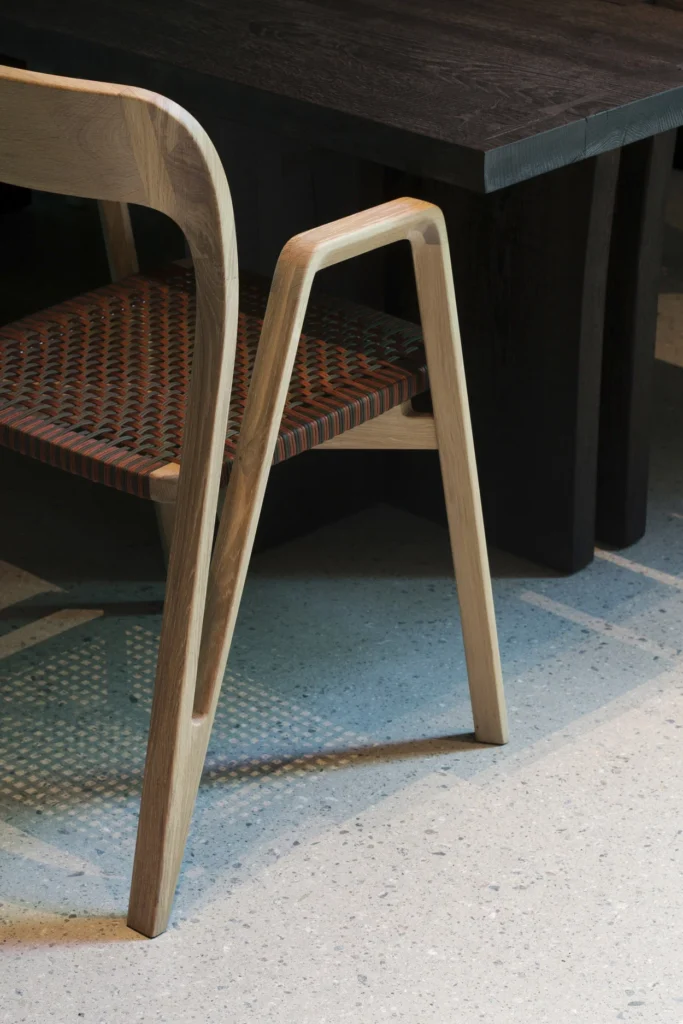
Chair and furniture detail displaying oak woodwork © Snøhetta
Beyond dining, the facility acts as a platform for maritime research. Cameras and measurement tools set throughout the facade host interdisciplinary research teams examining the behaviour, population, and diversity of organisms living around the tower.
The data obtained goes into machine learning systems designed to analyze marine population dynamics on an ongoing basis—work intended to improve how marine resources are formally managed. The restaurant and the research station are not independent programs. They are two representations of the same premise: that the building should contribute to comprehending the environment it occupies.
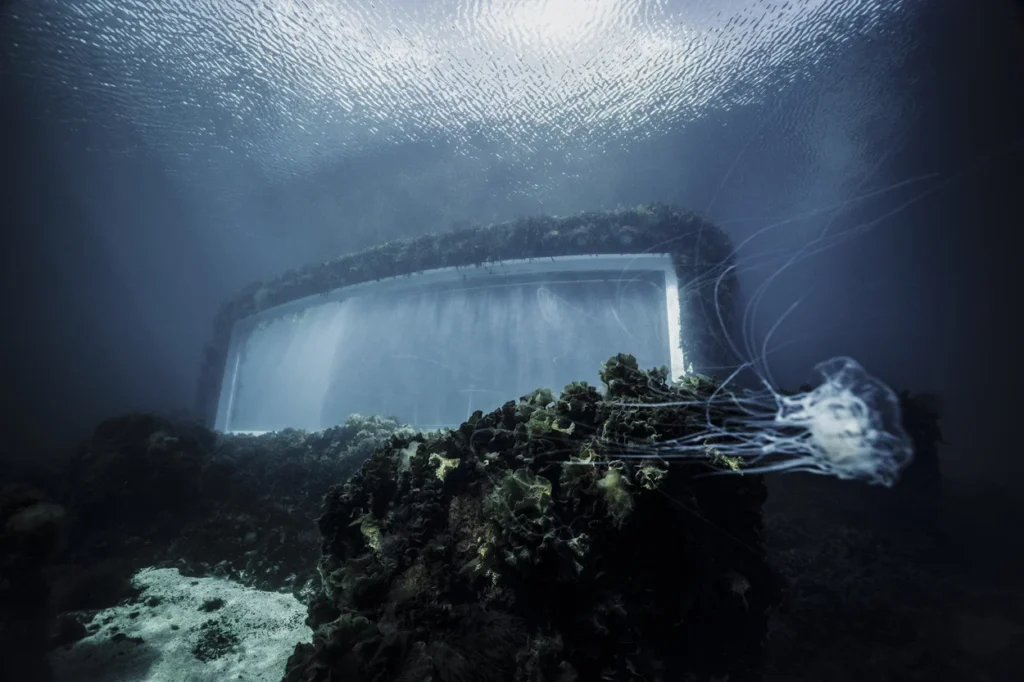
Underwater facade with research cameras and devices © Snøhetta
Hamran, a woodworking business located nearby, built the furniture with the assistance of Snøhetta, who designed furniture focused around a chair produced from a single member of oak. The chair’s slanted corners are designed to reflect how branches naturally sprout from the trunk of a tree. The furniture was manufactured using time-honoured processes, precisely like the structure—both have the same level of solid materiality, intelligent design, and lack of extraneous gestures.
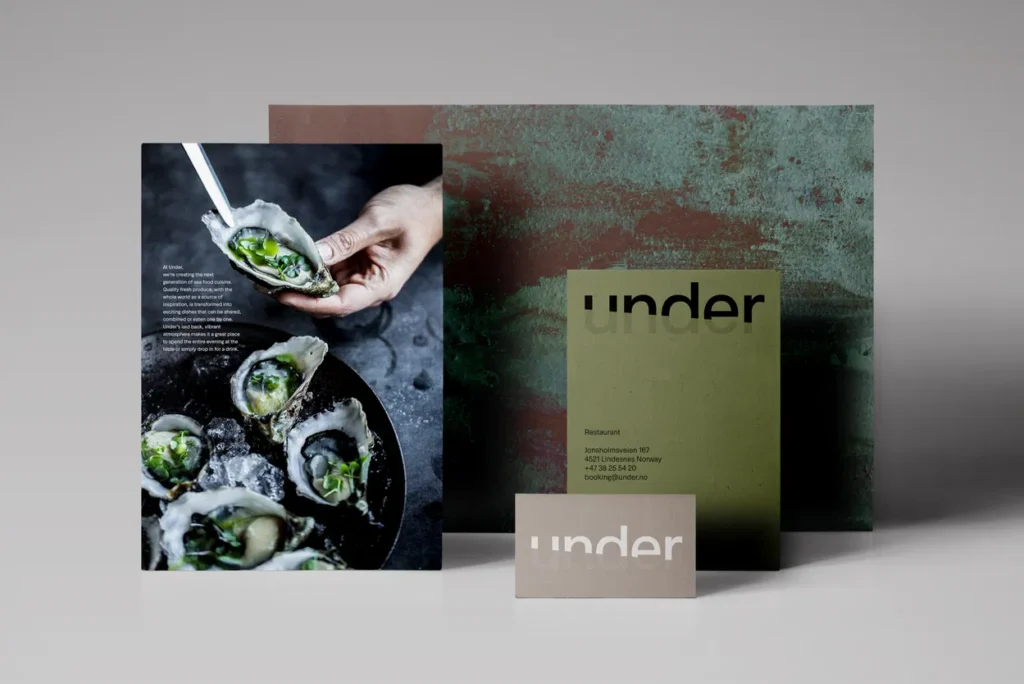
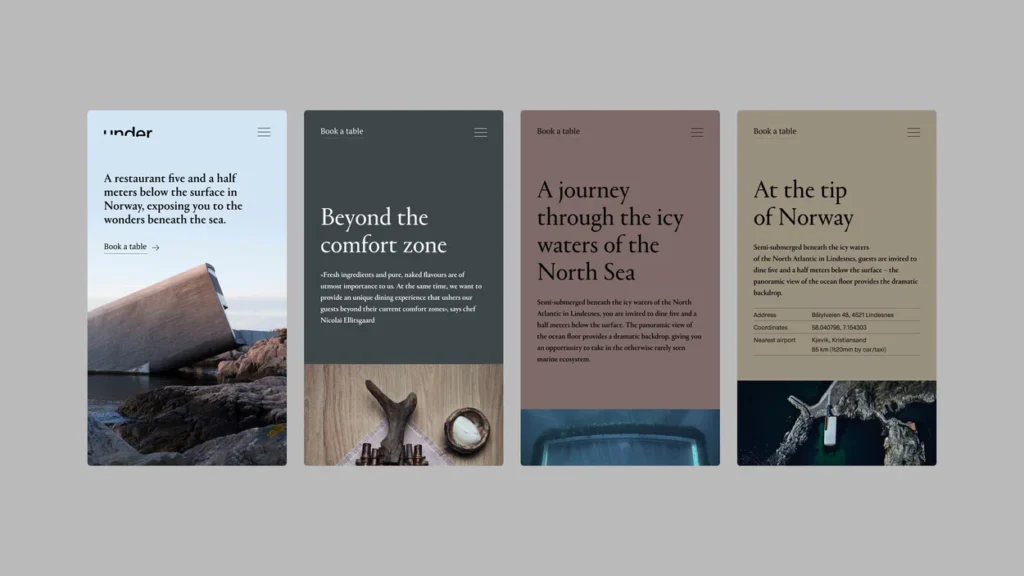
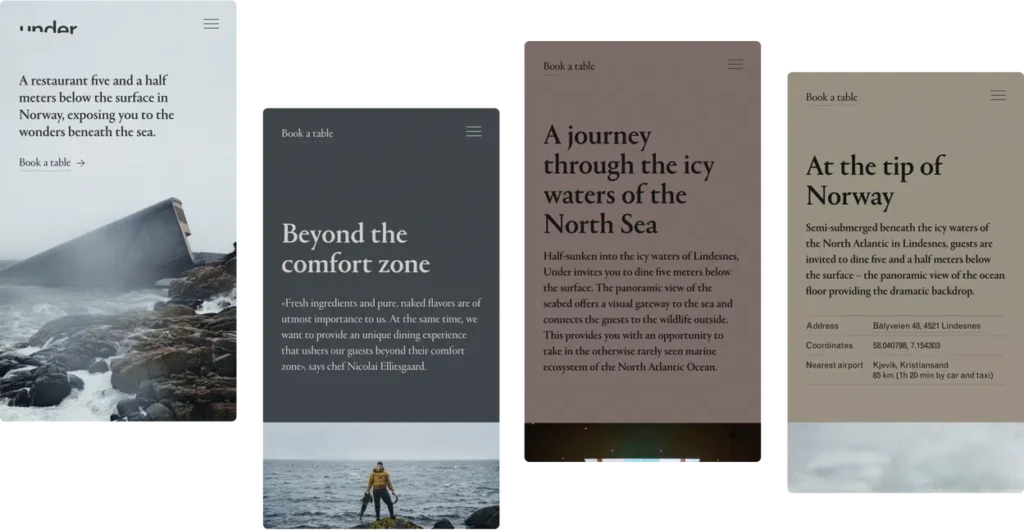
Under visual identity and stationery © Snøhetta
In addition to being a dining facility, the building acts as a maritime research centre. The facades of the building are equipped with multiple cameras and measurement devices that enable various scientific teams to perform studies on fish behaviour, fish populations, and fish variety. The research data acquired from the building is then uploaded to machine learning software focused on monitoring the marine populations of the area on a regular basis to assist in enhancing government management of marine resources.
The dining and marine research roles of the building are not different activities; rather, they are two means of expressing the same idea that the structure should provide value to the study and knowledge of the environment in which it exists.