Curated by ArchiRev Editorial | Feature Story | Published May 28th, 2026 | Source: MVRDV
Typologies: Mixed Use, Residential, Wellness, Retail, Master Plan
Themes: Architecture, Sustainability, Transformation, Community
Status: In Progress
Location: Thénac + Loubès-Bernac, France
Year: 2023–
Surface: 630,000 m²
Client: Plum Village
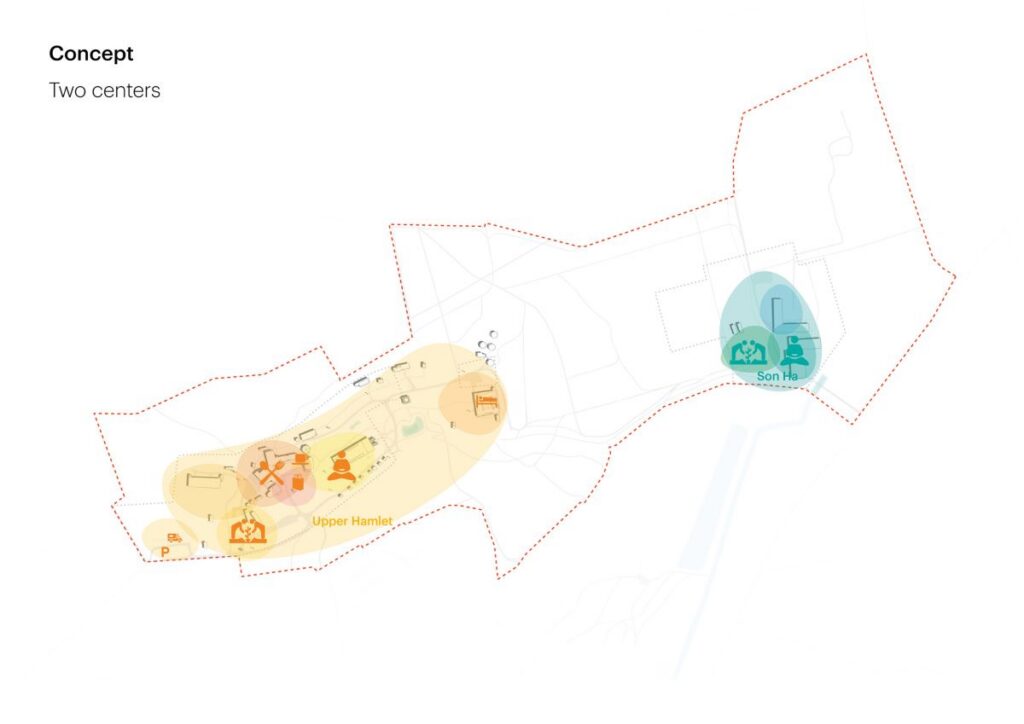
Plum Village Monastery France by MVRDV is a comprehensive development for the largest Buddhist monastery in Europe. It involves two rural sites situated in southwestern France; one site lies in Thénac, home to the Lower Hamlet, while the other is Loubès-Bernac, the location of the Upper Hamlet.
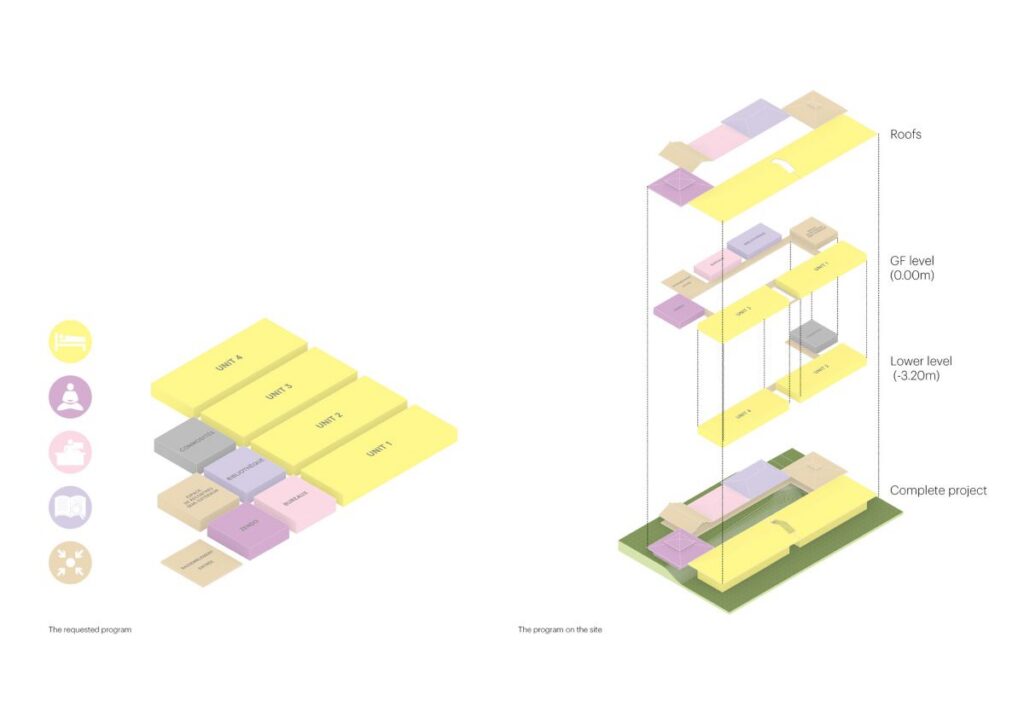
The project integrates the two master plans with the design of a new nunnery, guesthouses, and the renovation and extension of an existing bookshop. Contrary to most projects, which come from an architect’s vision, the plan of Plum Village Monastery evolved through discussion.
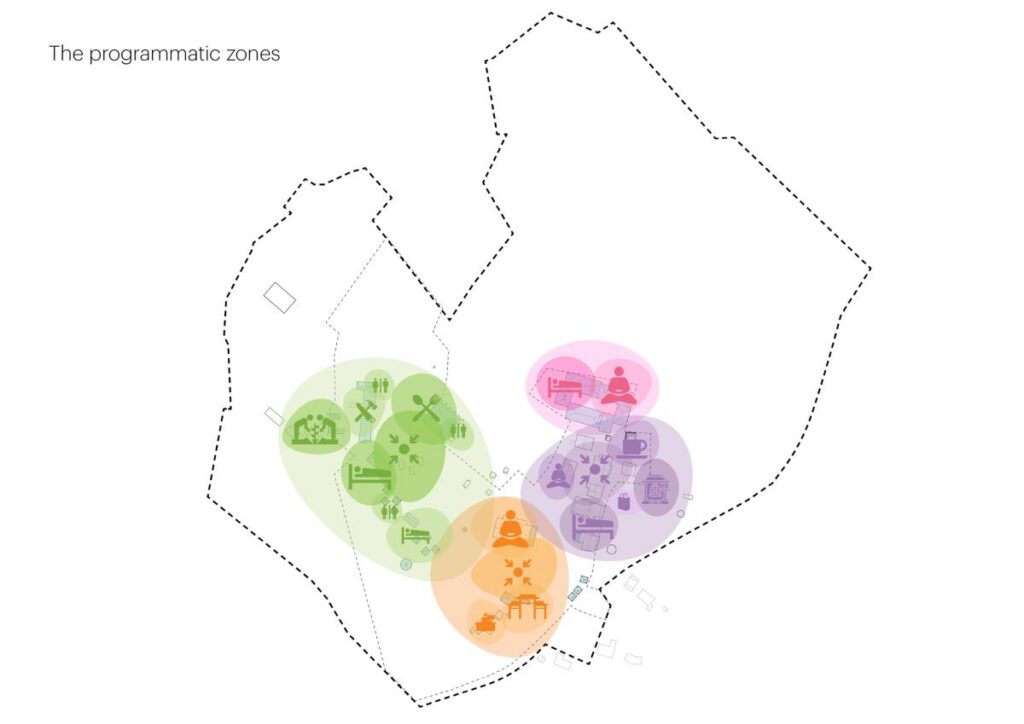
Aerial masterplan overview of Lower Hamlet showing new programme zones and landscape integration © MVRDV
Plum Village, founded in 1982 by Thich Nhat Hanh, is now world-famous for its contribution to the spreading of the practice of mindfulness. As a result, this monastery grew from being a local place of spirituality into an international destination, with numerous retreats held there annually, attended by hundreds of visitors. The increase in size of such gatherings led to an increased strain on the space available in both hamlets.
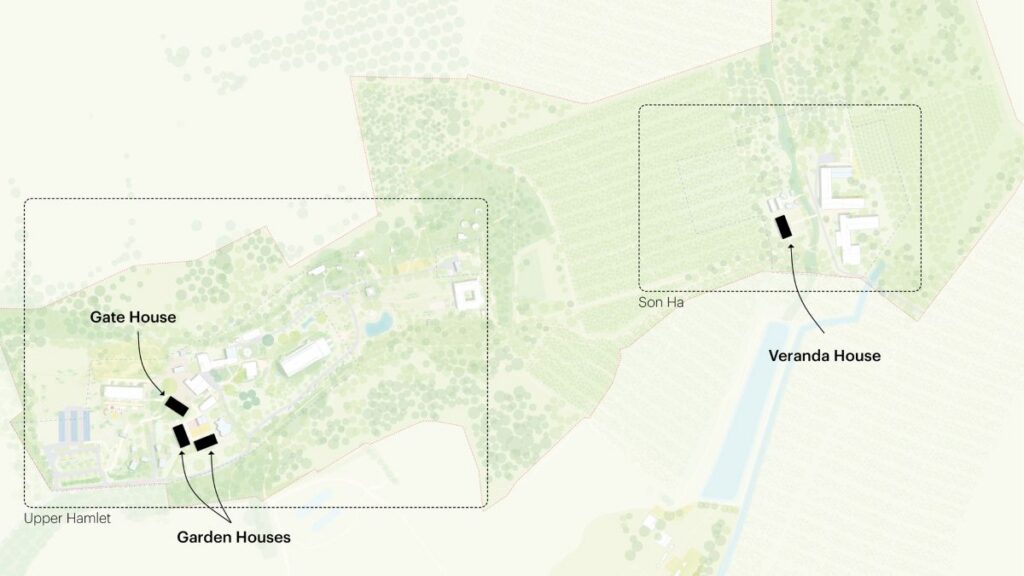
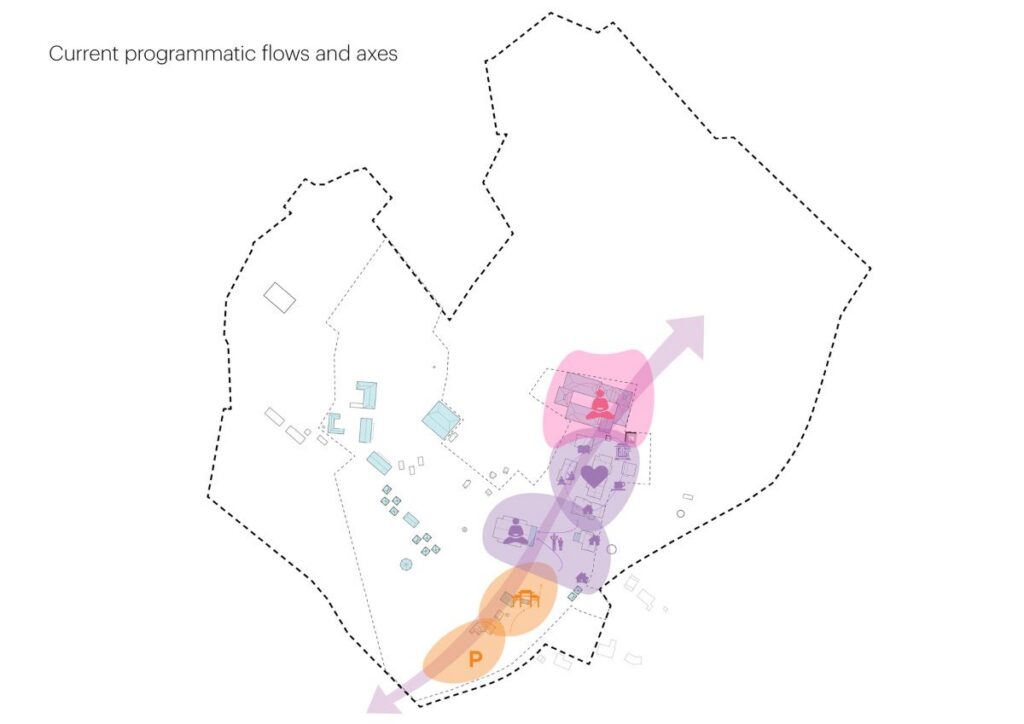
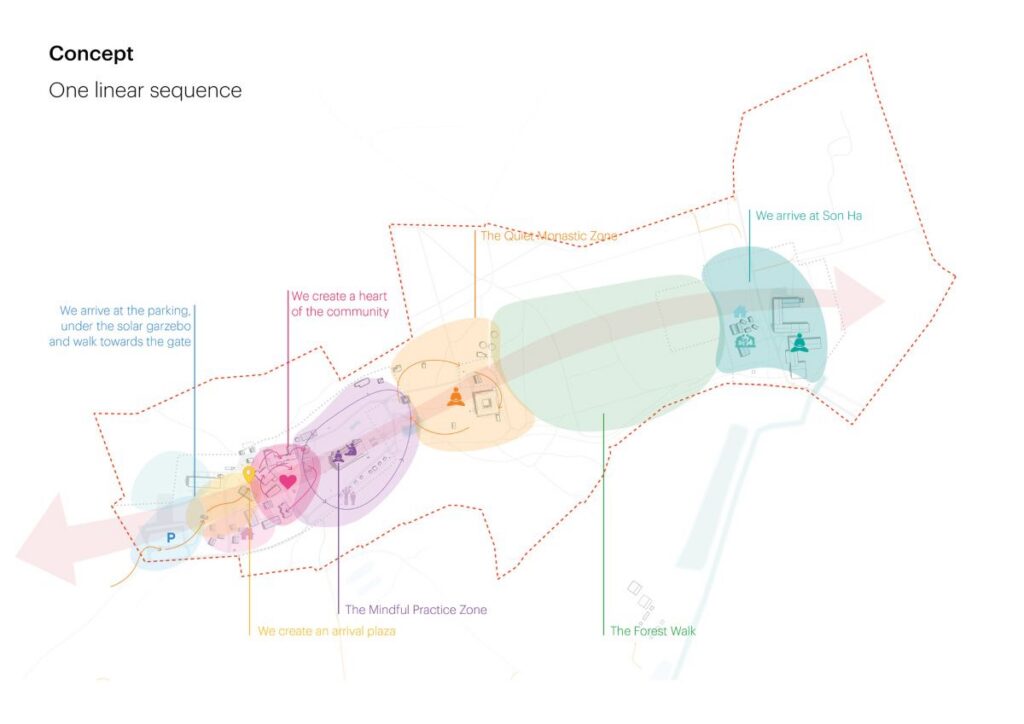
Plum Village MVRDV Upper Hamlet master plan circulation guest houses France © MVRDV
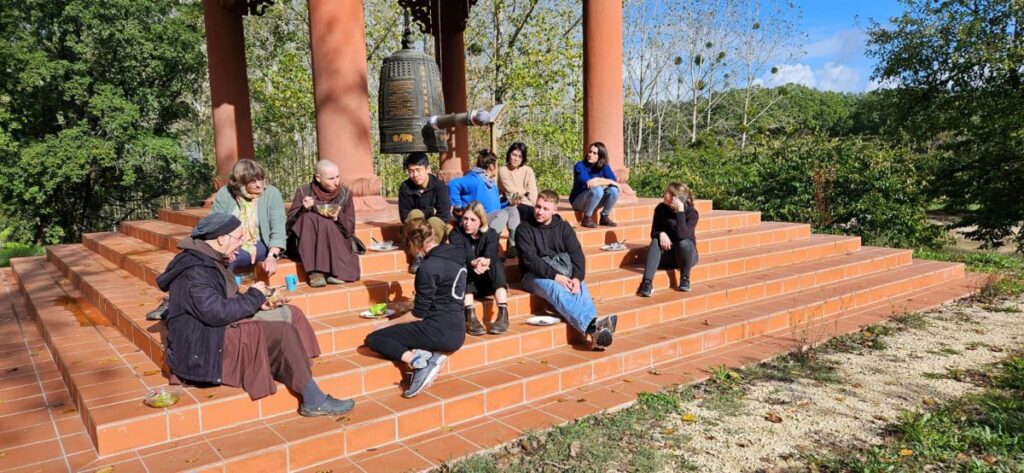
In 2023, MVRDV started working directly with the monks, nuns, and locals during workshops and stays at the monastery. The emphasis was made not so much on the design of objects but rather on understanding the rhythm of the commune, silence, meditation, and taking care of others. As the designers explained, many things that were normally efficient did not apply anymore to monastic community life.
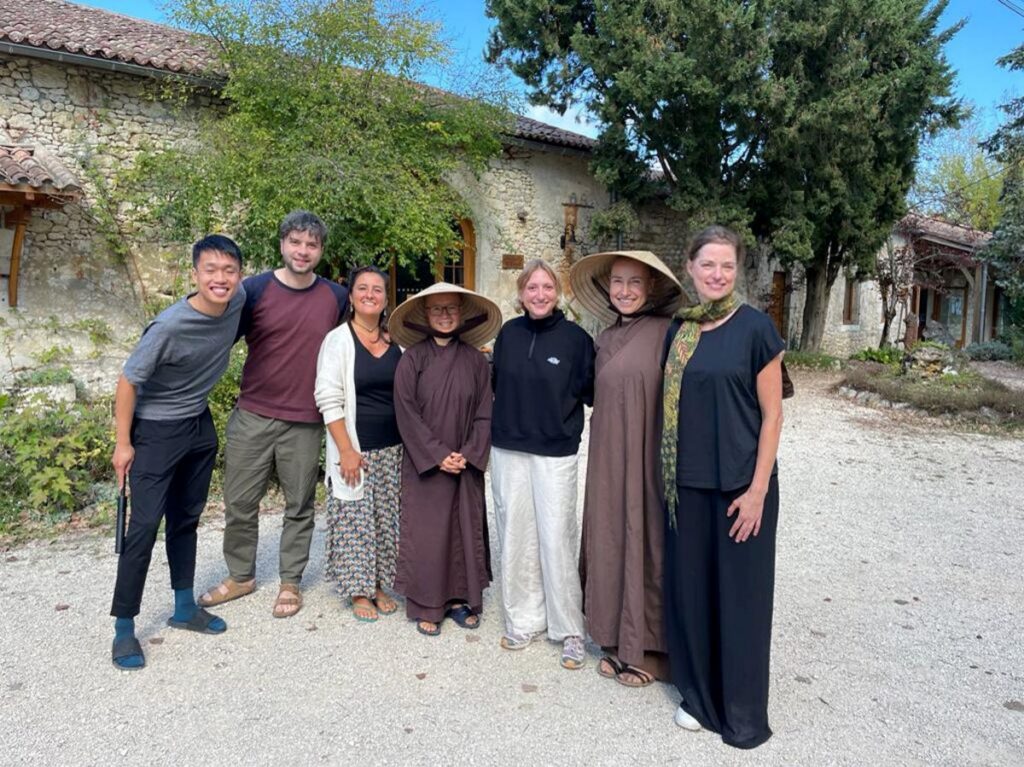
Plum Village Monastery MVRDV collaborative design workshop community process © MVRDV
In both master plans, the measures focus on smooth flow of movements, reduction of noise levels, and increased connection between structures and landscape. The vehicle traffic will be reorganized to allow for villages that favor pedestrian movement, while service access will be moved from the public spaces. The entry systems will be designed in a way that allows for a gradual transition into the monastery space by reducing stressful entry sequences. Environmentally, there will be bird habitats to control mosquito populations, use of solar energy, and favoring renovation over demolition.
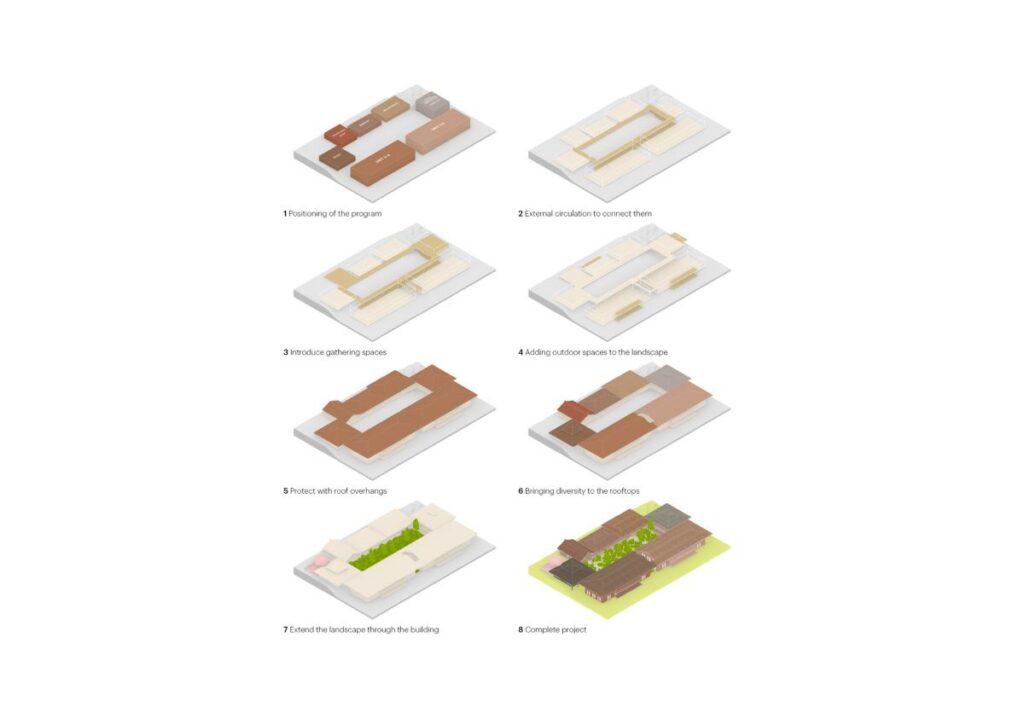
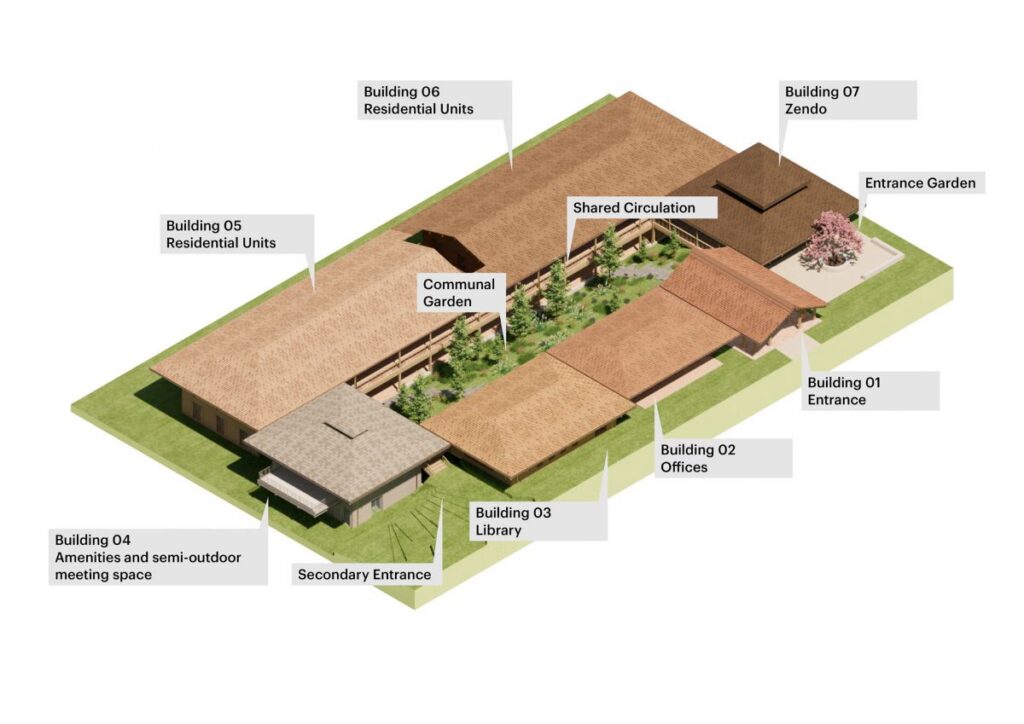
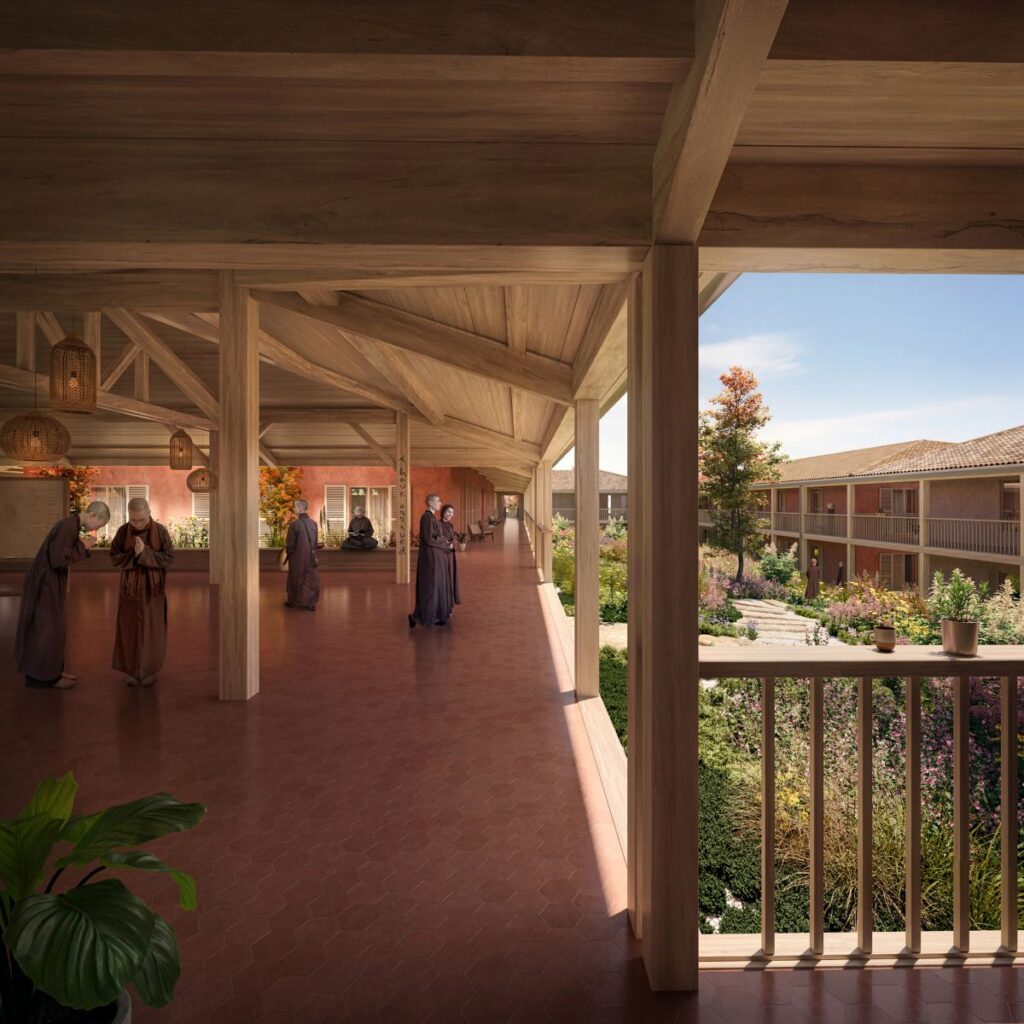
The single largest structure of the whole project is the nunnery at the Lower Hamlet. As the building is set on a sloped terrain, its design will feature an architectural plan in which the courtyard is based on the idea of a community. With accommodation for 76 members from various nations, the facilities include living rooms, classrooms, meditating places, libraries, and dormitories. There will be continuous verandas surrounding the courtyard spaces.
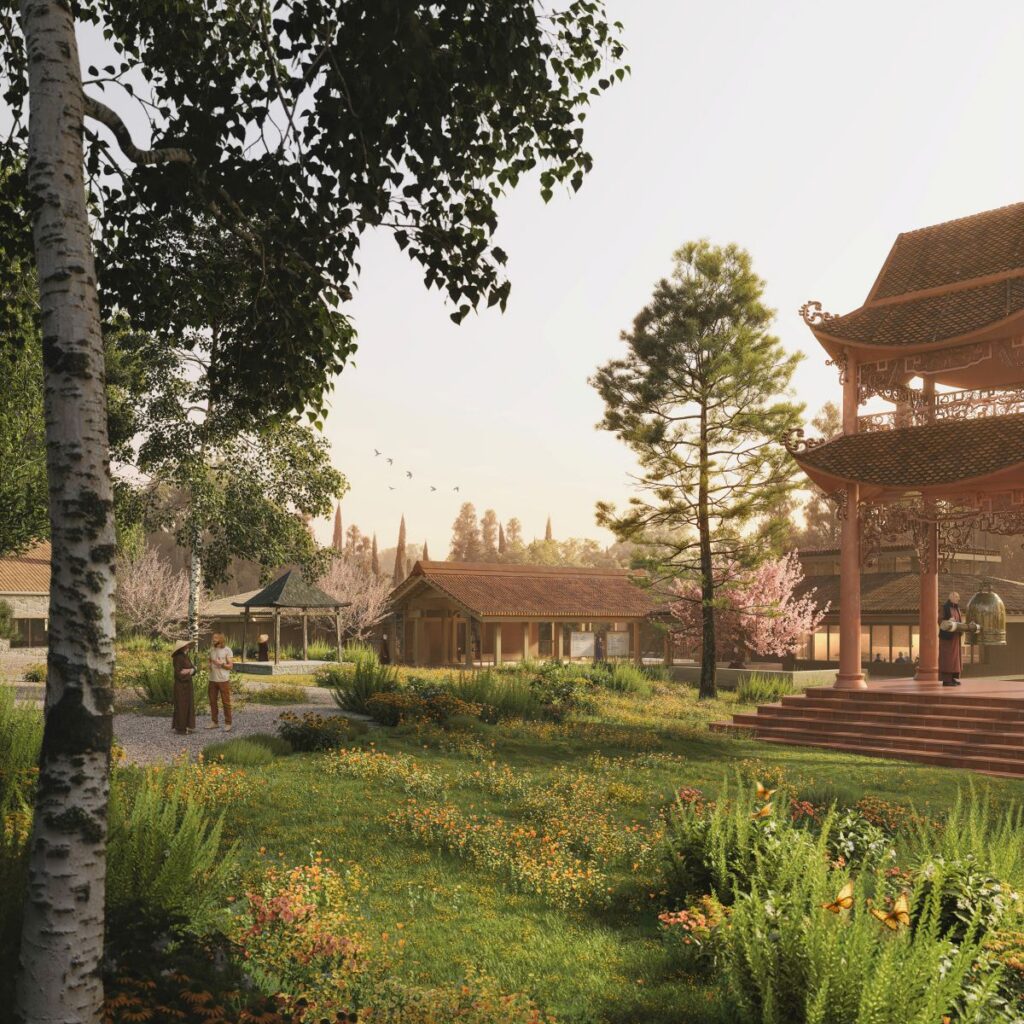
Plum Village Monastery MVRDV nunnery exterior courtyard timber architecture France © MVRDV
Plum Village MVRDV nunnery courtyard veranda circulation communal living © MVRDV
This type of construction is a reflection of the environmental ethos of the monastery. This nunnery has been constructed using prefabricated wooden structures with straw insulations. The usage of renewable natural material places this project within the larger context of low-impact architecture characterized by minimalism.
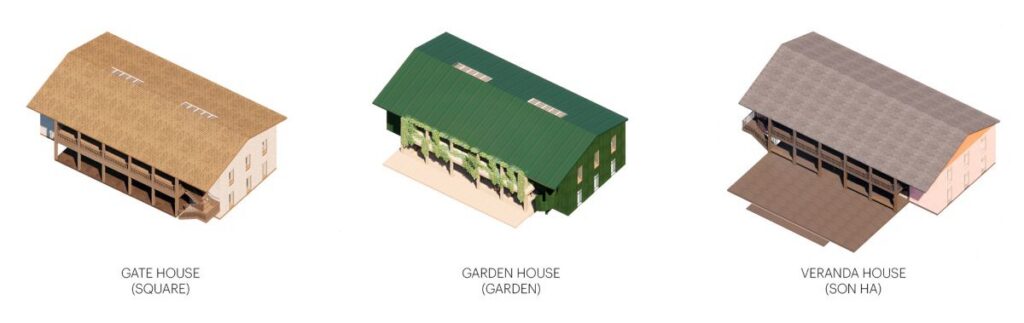
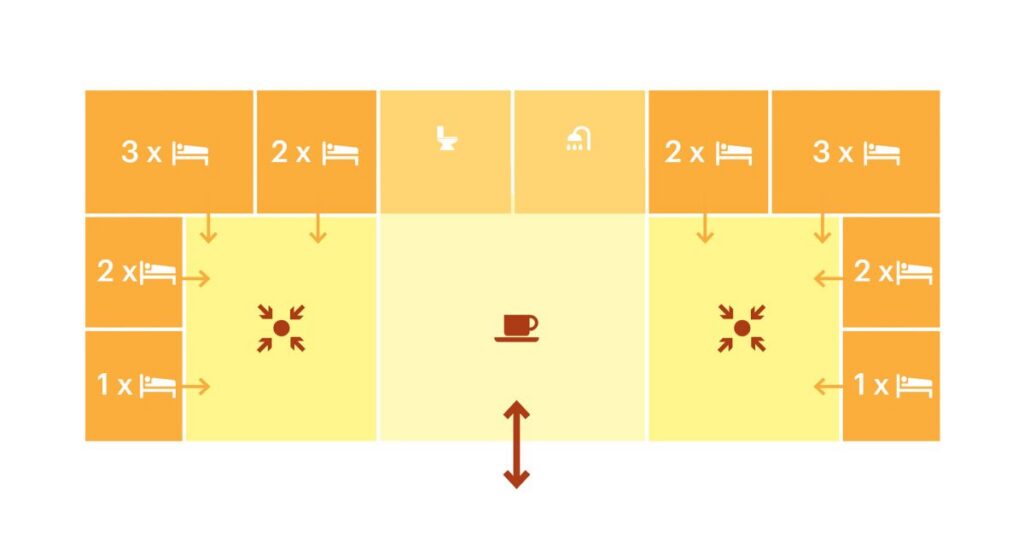
Accommodation for additional guests is provided via various guest houses within the Upper Hamlet complex. These guest houses have been designed in two-storied wooden structures featuring communal gathering areas. Individual sleeping zones are located adjacent to verandahs, balconies, and walkways which foster open communication and connection with the environment.
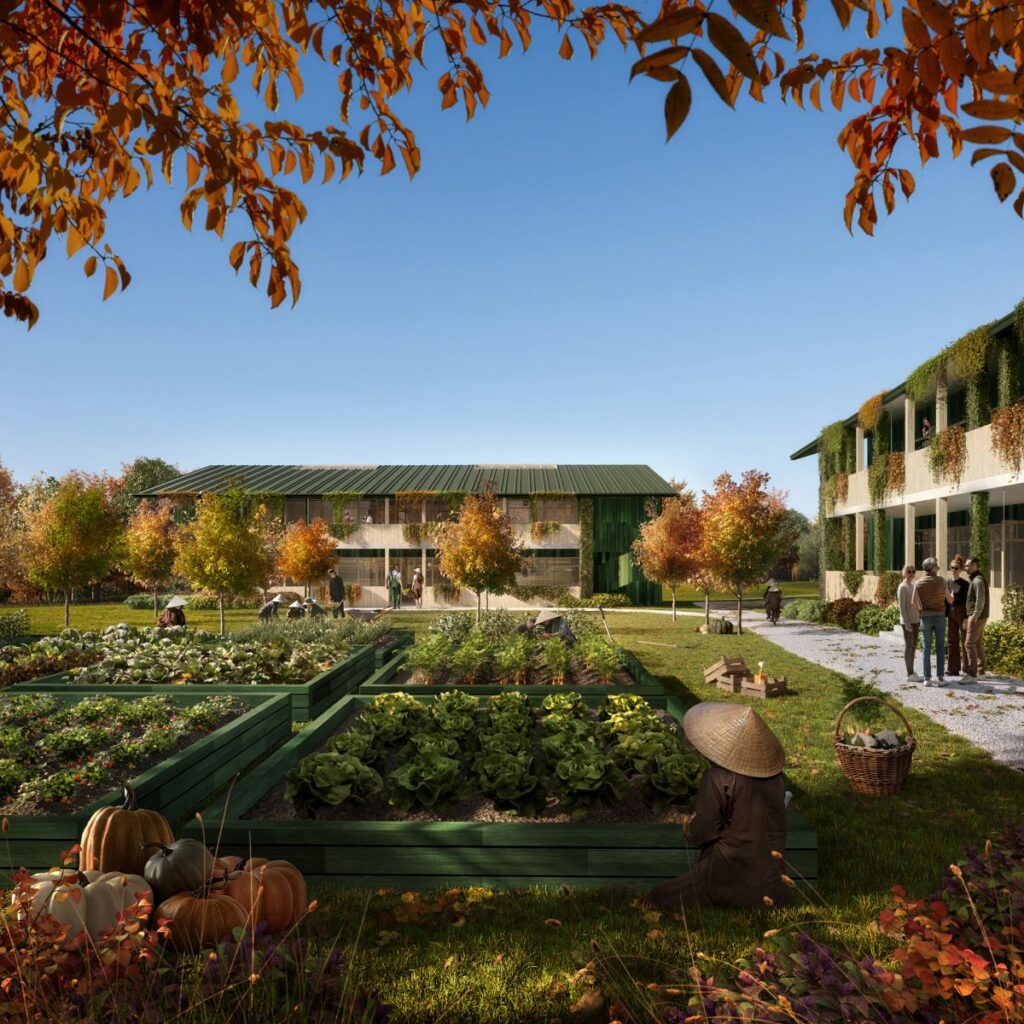
Garden House guest accommodation beside cultivated landscape © MVRDV
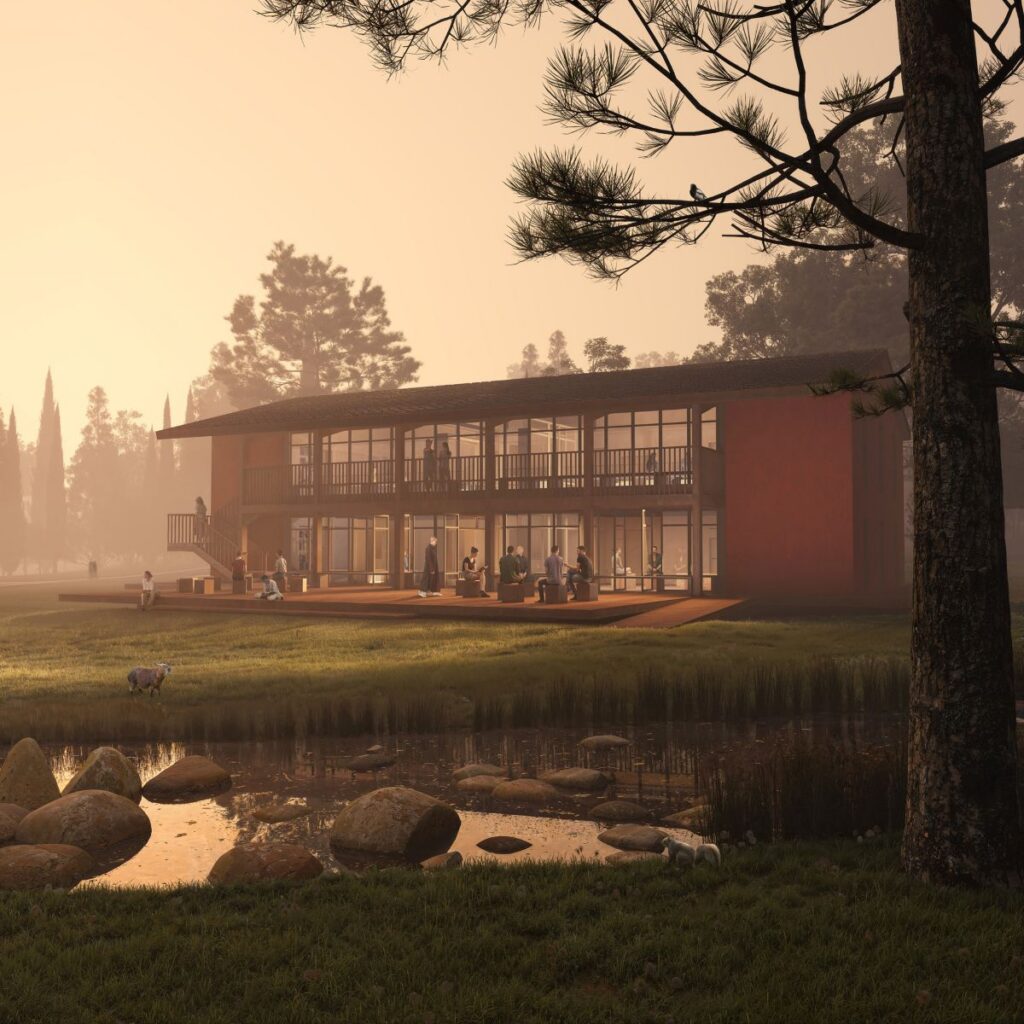
Communal interior space within guest house showing timber structure and gathering layout © MVRDV
Each one of these structures reacts to its site location in a unique way. The gate house marks the entrance sequence and serves as a place for both reception purposes and as a house for accommodations and working space. The garden houses are located near the vegetable gardens and accommodate more retreatants. Finally, the veranda house opens up to the site landscape through a long, covered walkway.
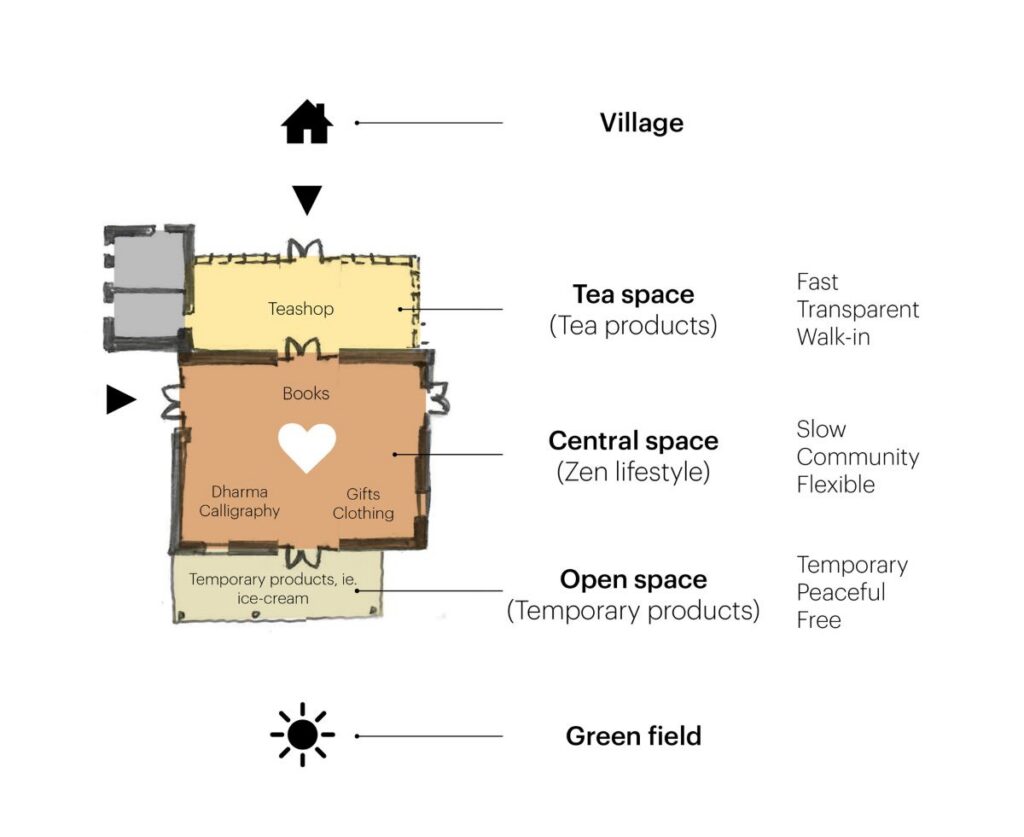
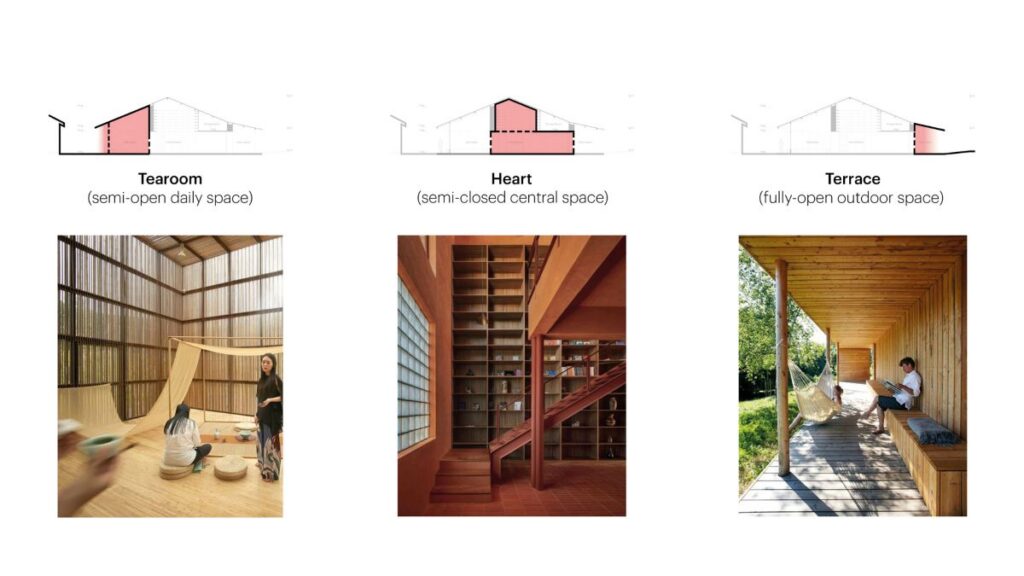
Adaptive reuse also includes the transformation of the existing Upper Hamlet’s bookshop. Located in an old stone barn, the original design was too enclosed in nature and felt out of place against its natural surroundings. New openings and a large covered reading terrace were created along with extended doorways to make the building feel connected to the outdoors. The interior now uses a modular wooden shelf system in order to create a brighter interior space.
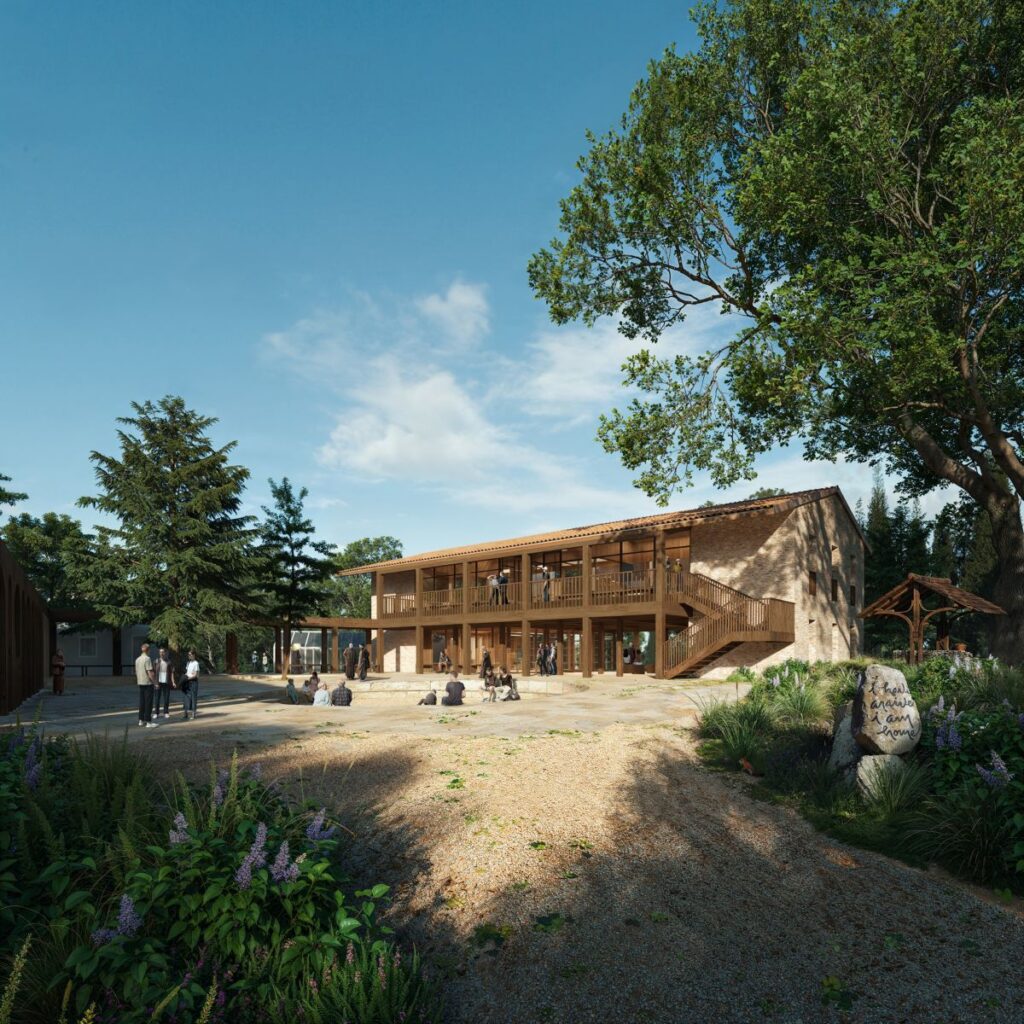
Exterior rendering of renovated stone barn bookshop with expanded openings and terrace © MVRDV
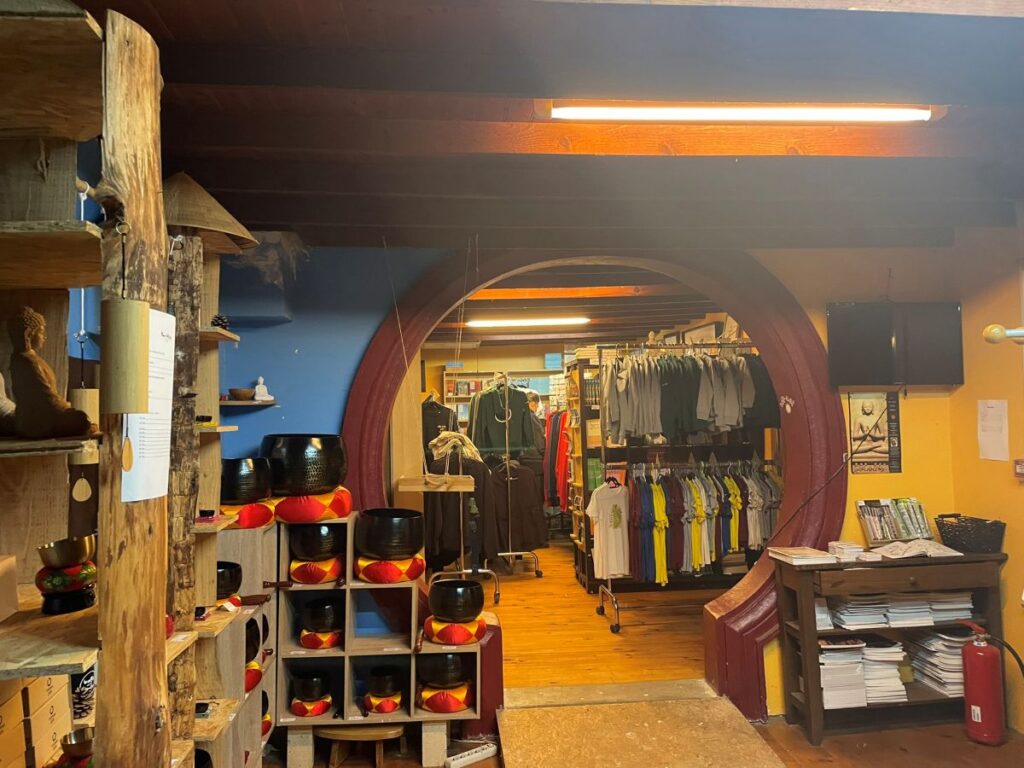
Interior view of refurbished bookshop with modular timber shelving and natural daylight © MVRDV
Unlike architecture being a mere object to work with, the Plum Village expansion involves understanding design as an extension of community practice and ritual. The architecture design is organized in such a way that facilitates mindfulness, communal living, and eco-responsibility on the territorial level.
In progress at the moment, the Plum Village Monastery expansion proves that architectural design can arise as much from listening as it does from building.