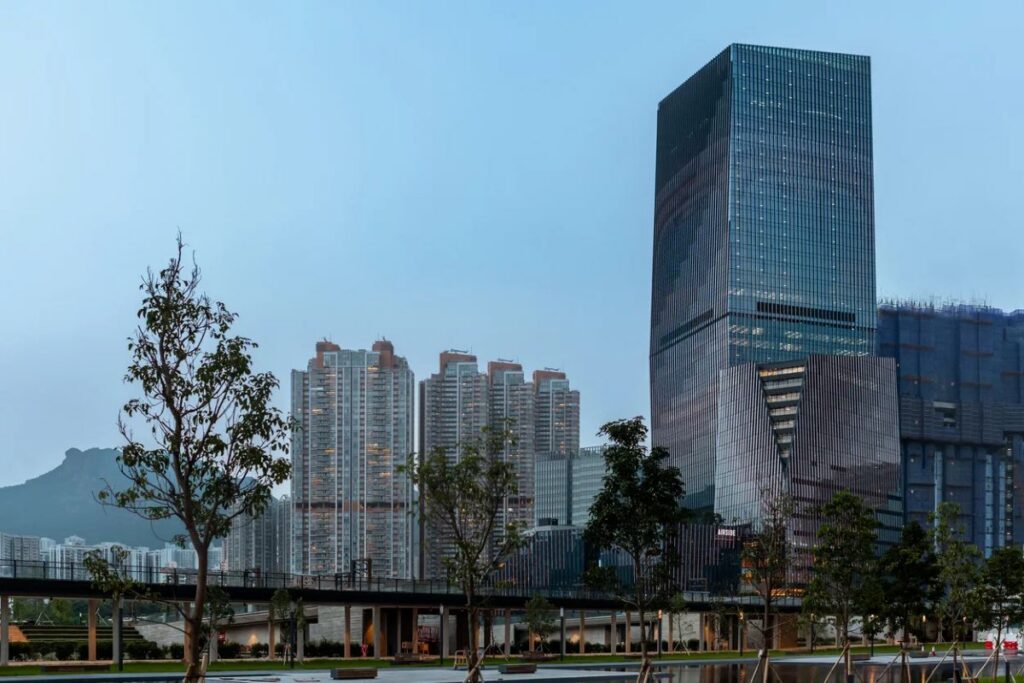
Aerial view of AIRSIDE showing the tower, podium gardens, Kai Tak River, and surrounding urban context © Snøhetta
Curated by ArchiRev Editorial | Feature Story | Published June 6th, 2026 | Source: Snøhetta
Typologies: Mixed Use, Retail, High-Rise, Public Space, Workspace
Themes: Architecture, Urbanism, Sustainability, Public Realm, Mixed Use
Status: Realised
Location: Kai Tak, Hong Kong
Year: 2017–2023
Surface: 177,670 m²
Client: Nan Fung Group
Certifications: BEAM Plus Neighbourhood, BEAM Plus New Building, Certificate of Green Building Design Label, Platinum WiredScore, SmartScore Certifications, WELL Core Platinum, LEED v4 Building Design and Construction: Core and Shell Development
Photographer: Kevin Mak
AIRSIDE Hong Kong Snøhetta is situated right in the heart of Hong Kong’s biggest urban renewal projects. Located 213 meters above the former Kai Tak Airport, the mixed-use building covering 177,670 square meters transforms a historical landmark of Hong Kong into a contemporary place to work, live, shop, and enjoy life. Situated directly on top of Kai Tak MTR station, AIRSIDE fuses all functions into an architectural solution that ties people back into a rapidly developing neighborhood.
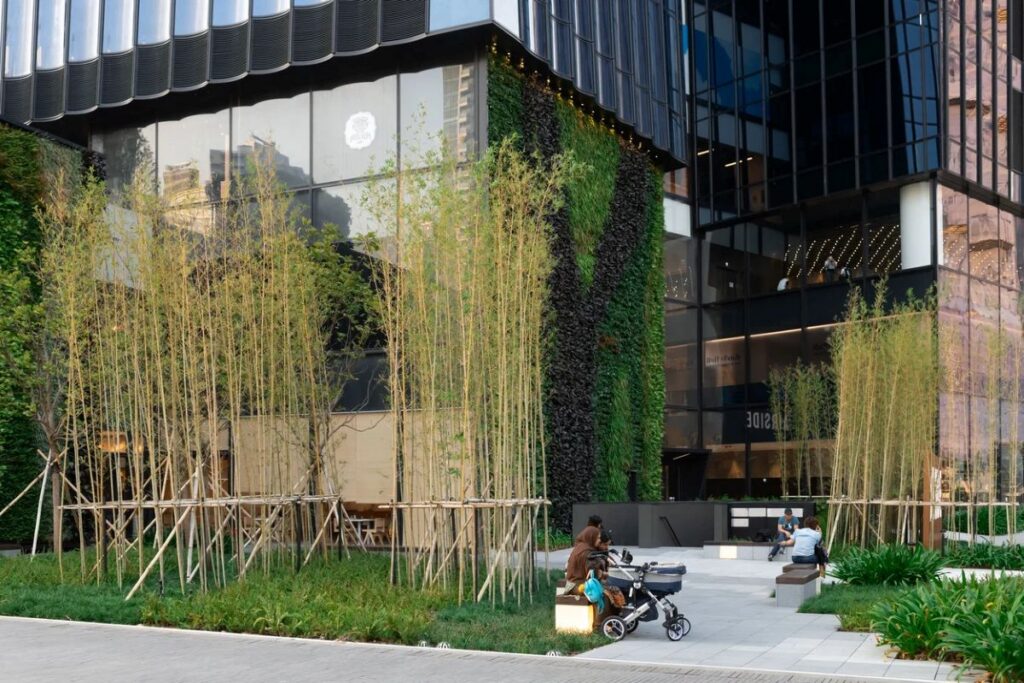
It is sited at a strategic point in Kai Tak, which is renowned for housing the previous international airport of Hong Kong. After the airport’s move elsewhere, the precinct has become the largest redevelopment zone in the city. The design concept for the project lies in creating a gateway for this new era in Kai Tak; this means that transport, business, and communal spaces would be integrated under a single roof. Instead of being a mere commercial skyscraper, the building integrates the urban fabric right into its interior.
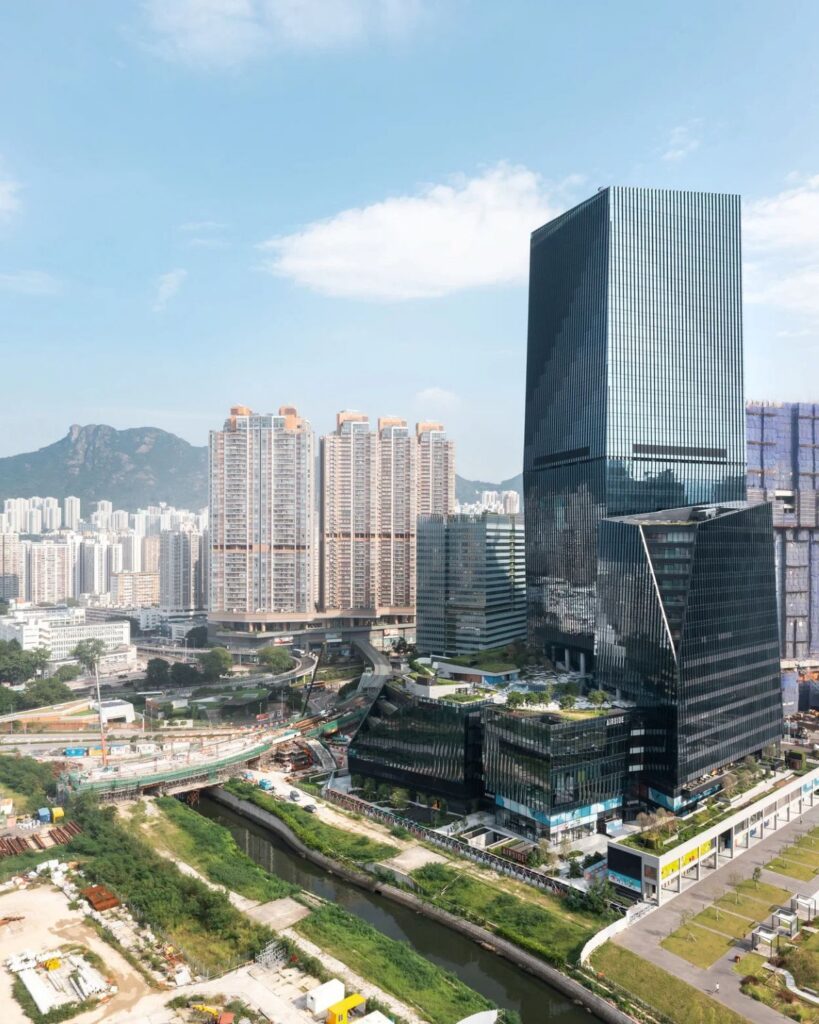
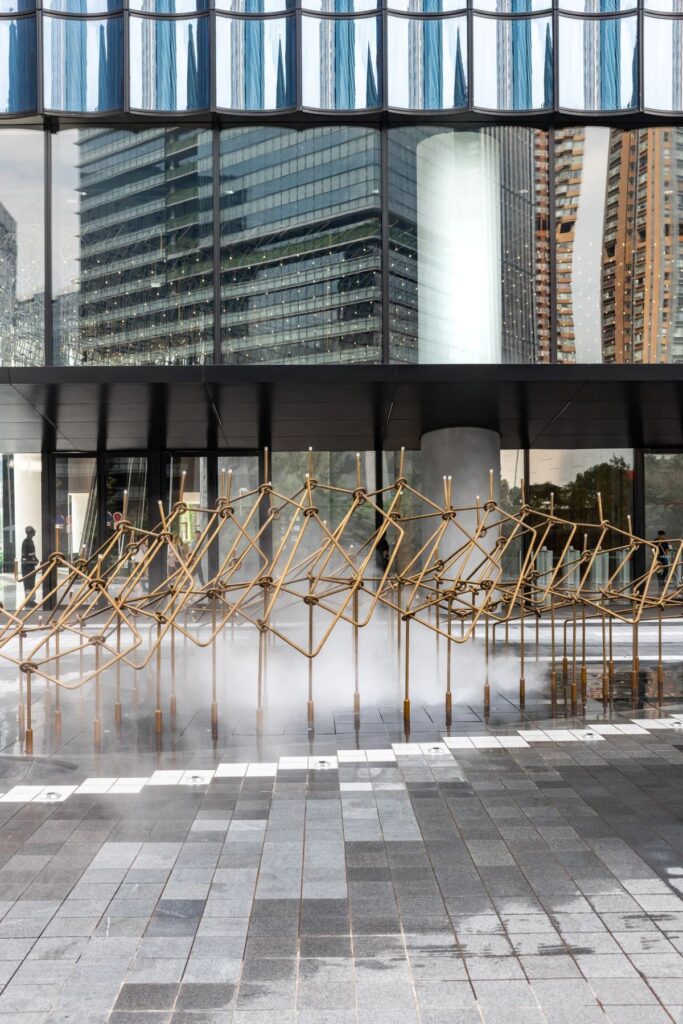
View of AIRSIDE from Kai Tak River showing the stepped massing and relationship to the waterfront © Snøhetta
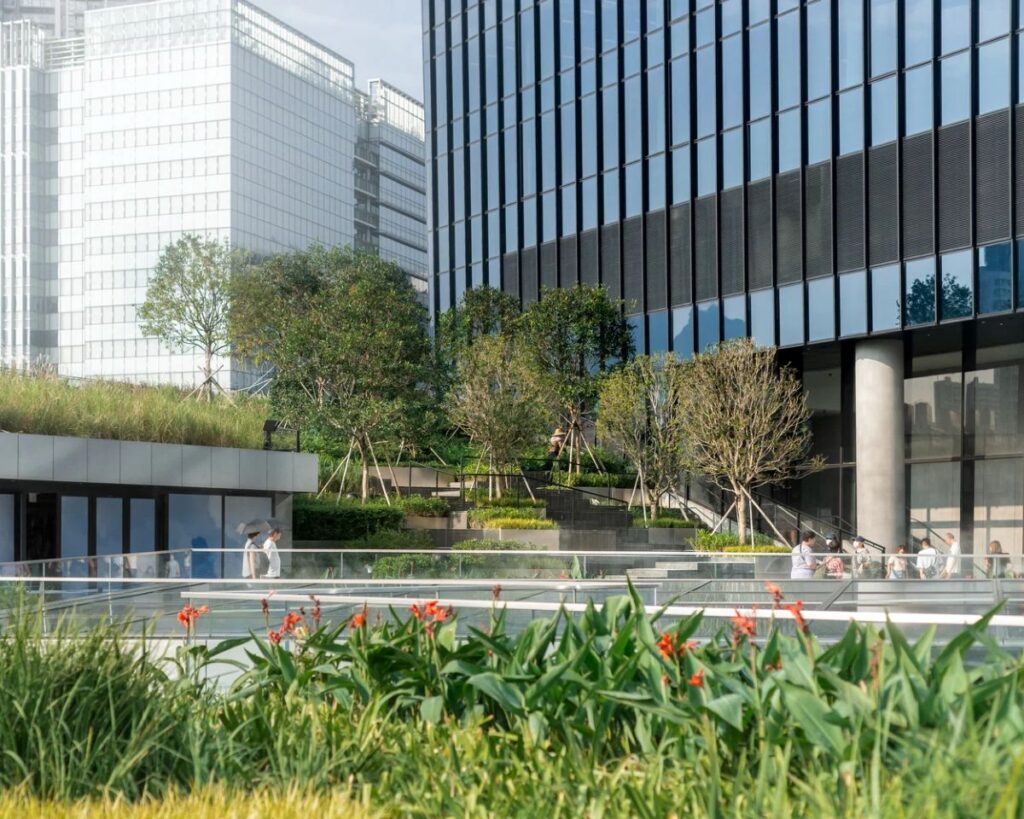
The development consists of five interlinked buildings, which incrementally ascend to the main tower along the Kai Tak River. In this manner, not only does the structure blend into the landscape, but also, a sequence of human-scale open spaces on ground level is created. Lush garden terraces surround the building and create open areas for people to walk through. The structure itself has been designed to step down to the south side of the site, offering views of rooftop gardens from the public realm and promenade along the river.
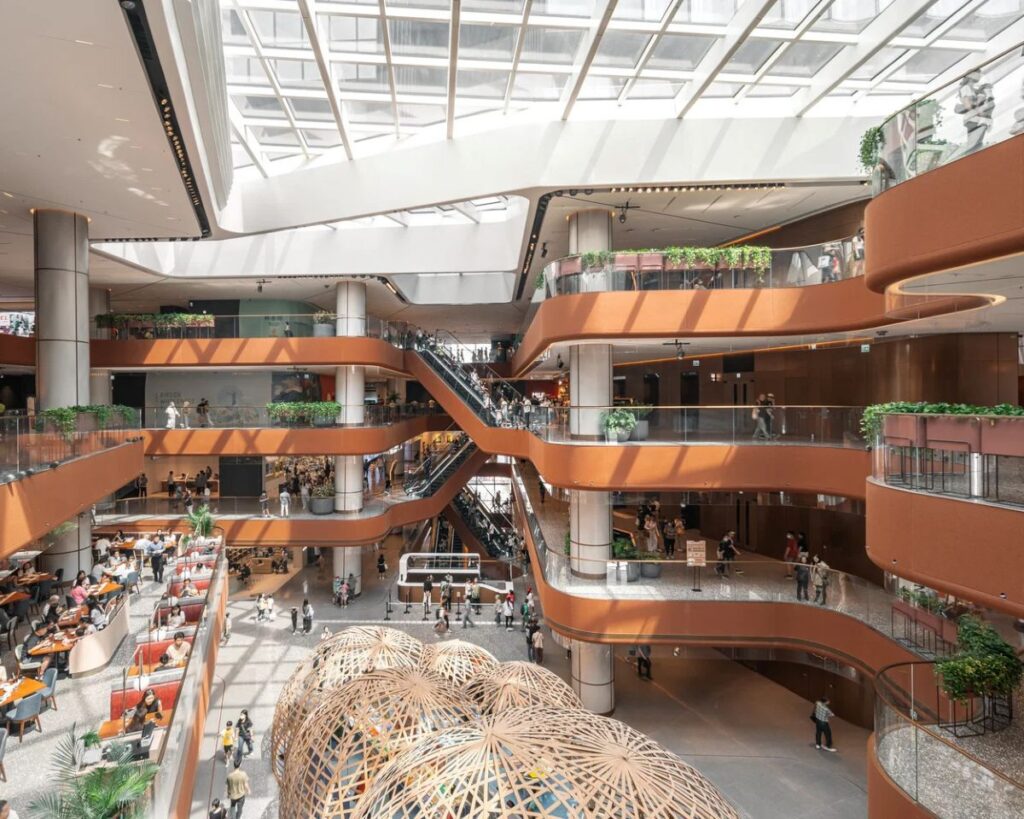
The entire project is centered around a huge retail atrium spread over roughly 60,000 square meters of space. Illuminated by sunlight, the atrium serves more as a communal space for the gathering and movement of people than a typical shopping complex. Over this atrium stands an elevated garden, which serves as the focal point for all social activities within the site. Complete with benches, fountains, and greenery, the garden provides breathtaking views of Victoria Harbor and the surrounding Kai Tak district.
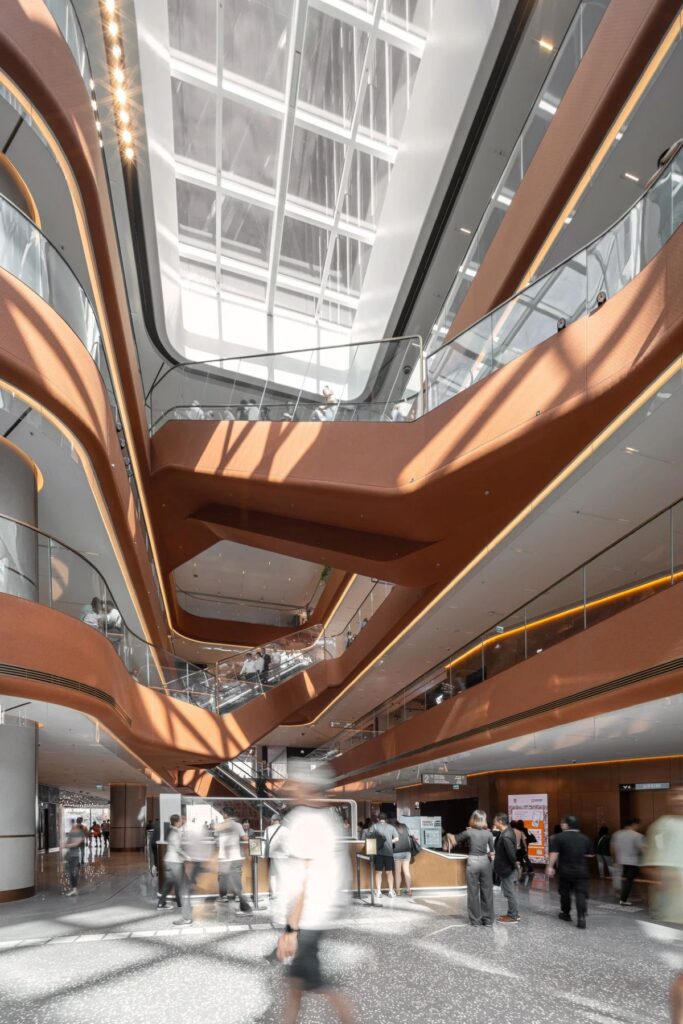
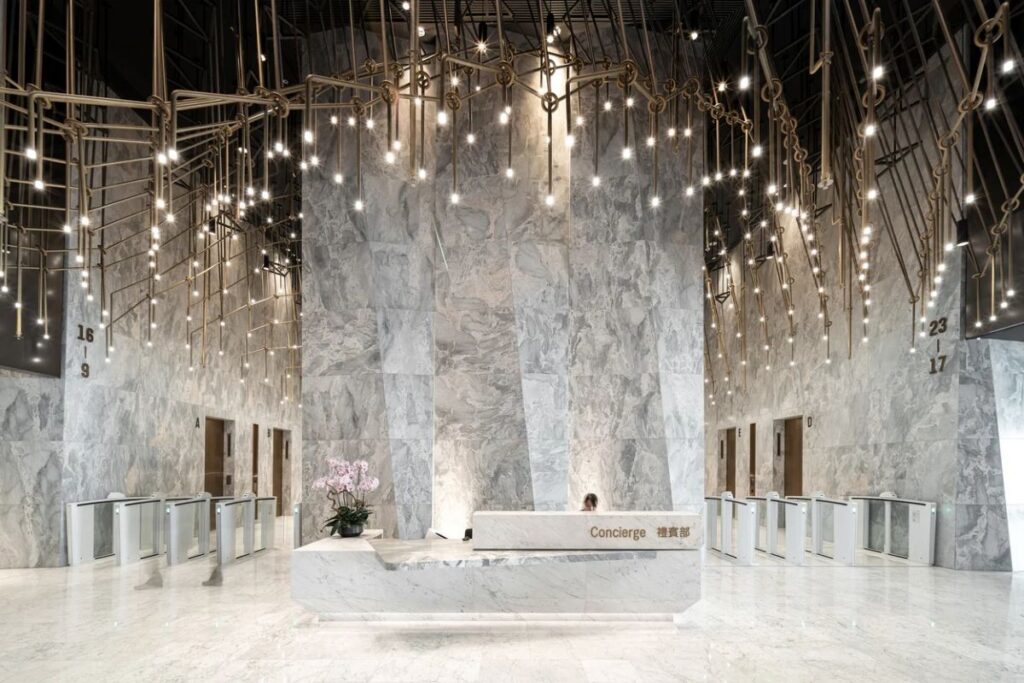
Interior view of the central retail atrium filled with daylight and connected circulation spaces © Snøhetta
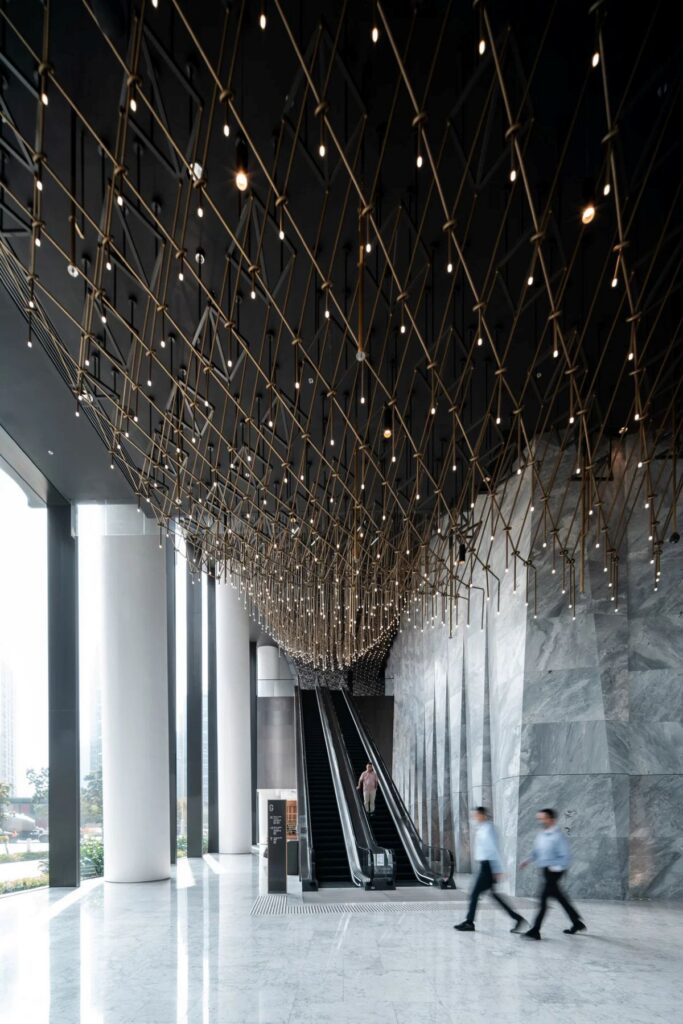
Elevated rooftop garden overlooking Kai Tak and Victoria Harbour © Snøhetta
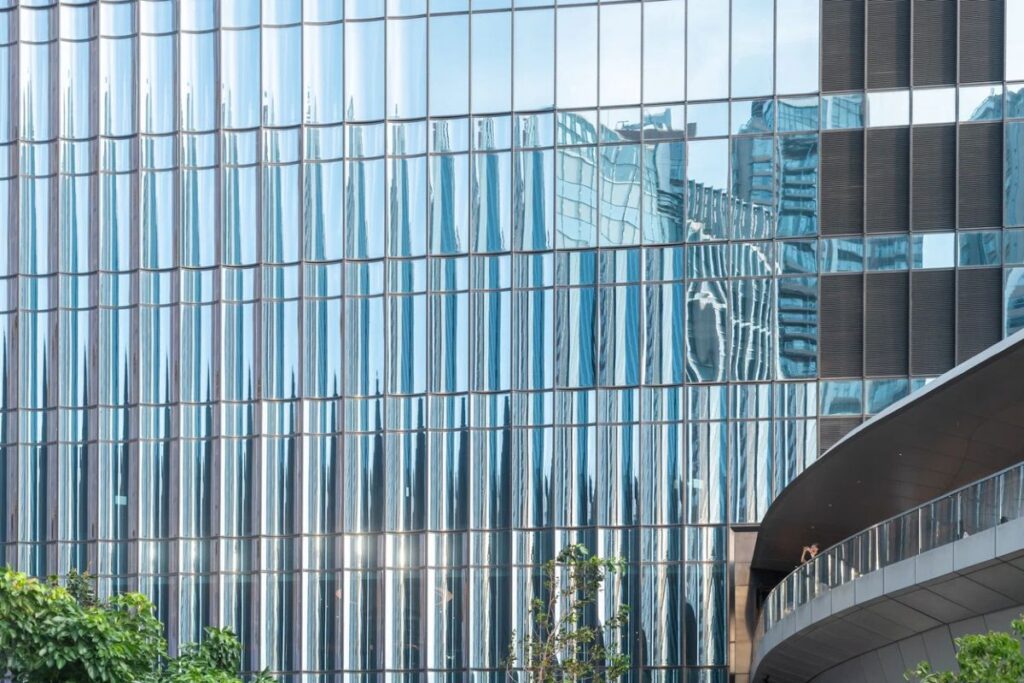
Above the gardens, the tower has more than 110,000 square metres of Grade A office space. Although this size gives it a prominent position within the skyline, the design makes efforts to maintain relevance and relate the structure back to human experience through the articulation of form and choice of materials. The gently curved façade of the tower is made up of fluted glass and is inspired by the theme of textiles, acknowledging the past of both the Nan Fung Group and the industrial past of Hong Kong.
The theme of textiles pervades the entire project and manifests itself in various ways. Chamfering is employed as an element of architectural language that references the process of cutting. In addition, weaves are used as decorative patterns for various elements of the landscape and interiors. Within the retail atrium, custom cladding has been designed using recycled plastics shaped like woven fabrics.
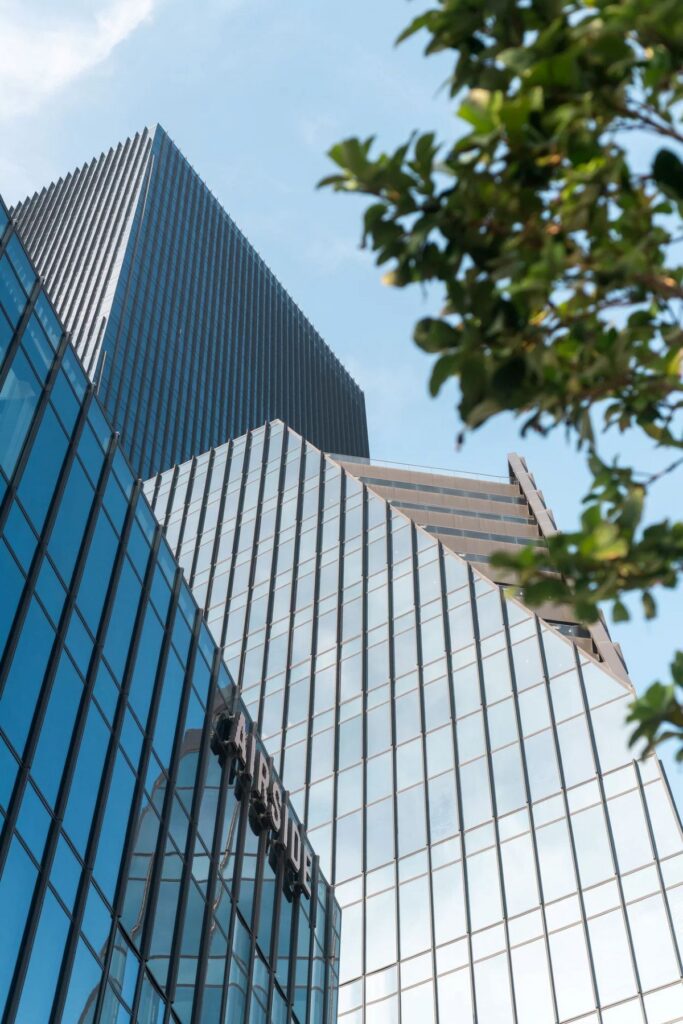
Close-up of the fluted glass façade showing the textile-inspired architectural expression © Snøhetta
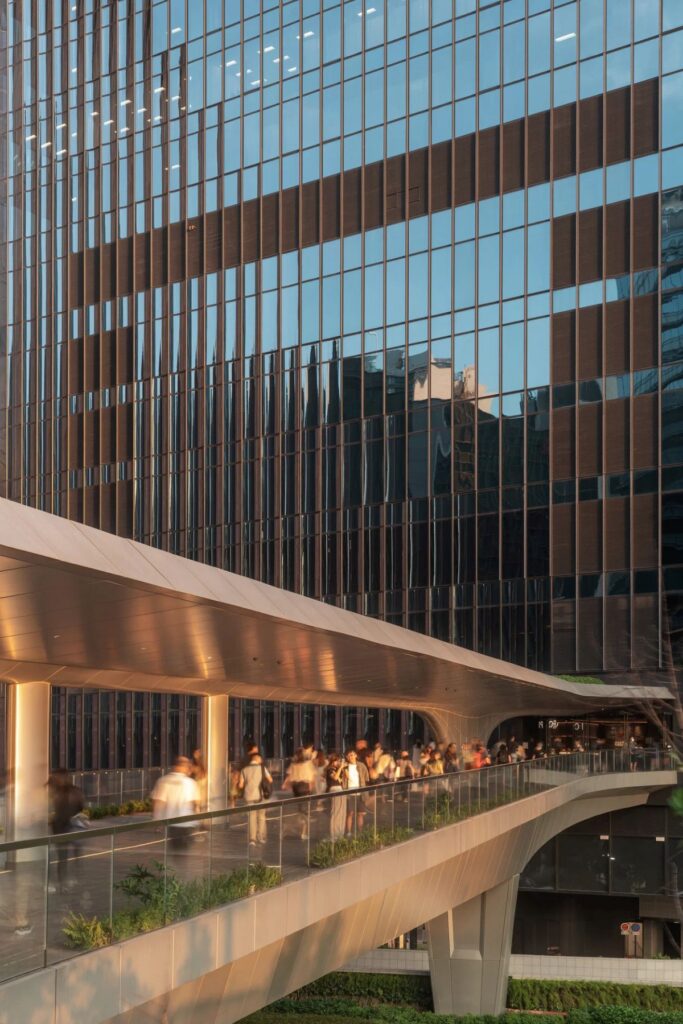
Landscape Strategy: The same applies to the landscape strategy for designing the identity of AIRSIDE. As opposed to viewing plant life merely as ornamental aspects of the project, AIRSIDE incorporates planted areas at various elevations within the complex. The sloping walkways meander around plazas and gardens to form pathways linking different sections of the site. Native planting and water elements combine with shading areas in order to create better microclimates and increase biodiversity in a highly urbanized space. Thirty percent of the site is made up of soft landscaping to combat the heat island effect.
Landscape terraces and pedestrian pathways connecting public spaces around the development © Snøhetta
Sustainability forms an integral part of this project. For example, AIRSIDE includes what has been described as the largest photovoltaic power plant constructed atop a commercial structure in Hong Kong, which is characterized by over 1,350 square meters of solar cells that have been installed on the building’s roof and podium floors. It also marked the first commercial building that was integrated into the district cooling system at Kai Tak with reduced energy consumption using chilled seawater.
Among the other sustainability features included in this project were the installation of a rainwater harvesting system, natural ventilation systems, automated waste management, urban agriculture, and the first-ever automated bicycle parking beneath Hong Kong.
Rooftop photovoltaic installation and urban farming areas integrated into the development © Snøhetta
Not merely an example of mixed-use skyscrapers, the AIRSIDE Hong Kong project by Snøhetta is an exemplar of how substantial commercial architecture can add significantly to urban life. Through integrating mobility infrastructure, landscaping, working spaces, shopping centers, and public space, the project makes a defunct airport area an active urban site. This project not only becomes a symbol of Kai Tak but also creates an approach for linking the past to the future of the city through architecture.