
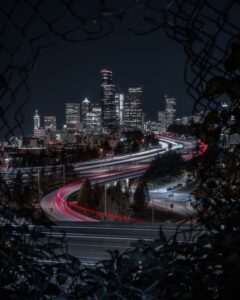
Our City Design is Incomplete
Architecture is visually oriented from the start. visual discipline. Drawings, computer renders, photos, and publications depict buildings. photos and publications, evaluated for street appearance, plan or elevation, and proportionality when photographed. Since vision is the most developed human sense and architecture is inextricably linked to visual representation, the idea makes sense. It’s an important limit. since urban perception goes beyond sight. Conversely, the urban environment is bodily, and the field is excessive. Visual focus devalues other senses.
The city as a multi-sensory environment is nothing new. It emerged from decades-old theories that architecture must incorporate all human senses to satisfy all needs. The current state of the city, with its rising density, pollution, and visual overload, and the fact that urban health and socialability depend on the development of non-visual urbanity, makes this issue urgent.
What Sound Does to Cities
At least consider sound as a sense. Acoustic consultants determine the matter. How many decibels can enter or leave a building without violating OSHA guidelines and ensuring reverberation times meet space standards? Though not bad, that approach is woefully inadequate. Sound is more than a measurement. An aspect of space experience.
The sound of a plaza, not its appearance, makes it inviting or repellent. Paved public plazas amplify car and crowd noises, repelling them. Vegetated softscapes, water features, and varied surfaces create an acoustic layering, allowing one to hear the other person talking and the leaves rustling against the water or the wind in trees. That’s not a public space upgrade. In essence, that is.

Touch and Smell Intelligence
Tactility is the most sensual. architectural senses and the most ignored by modern buildings. Industrialised, smooth, and standardised surfaces like glass, polished concrete, and artificial claddings create an urban environment where there is nothing to touch and where the foot encounters equal resistance everywhere. Touch is a sensation that affects other human activities, making it important. The footbed affects speed, alertness, and awareness. The biggest sense architecture has neglected is smell. It is also the sense most linked to memory, emotion, and place identity. The smell of the city—wet stone after rain, bakery smells wafting up from street level, blooming park smells in summer—is intimately linked to feeling part of it. A city that has lost its sense of smell has lost its identity.

Designing the Whole Experience
Adding scent, sound, and tactility to a visual arrangement does not create a sensory city. Instead, a sensory city is created by starting the design process with questions about how it feels to be there, how it sounds day and night, and how it smells in summer and winter. This is not just another factor—it determines whether a city is habitable.
Multisensory architecture does not make buildings hard to photograph. Instead, it creates hard-to-leave environments.