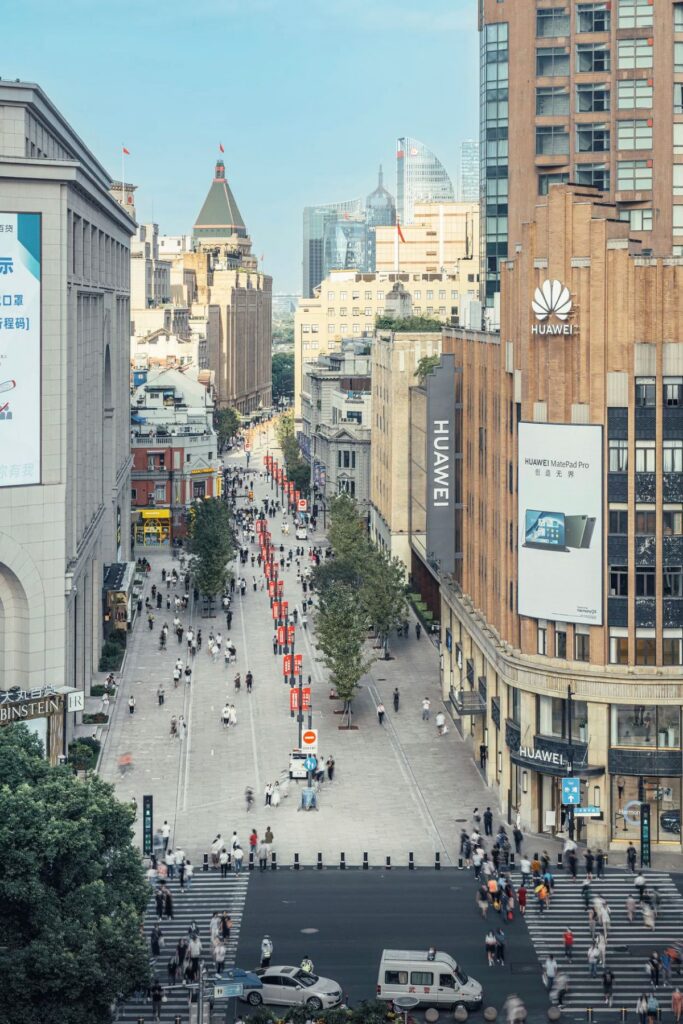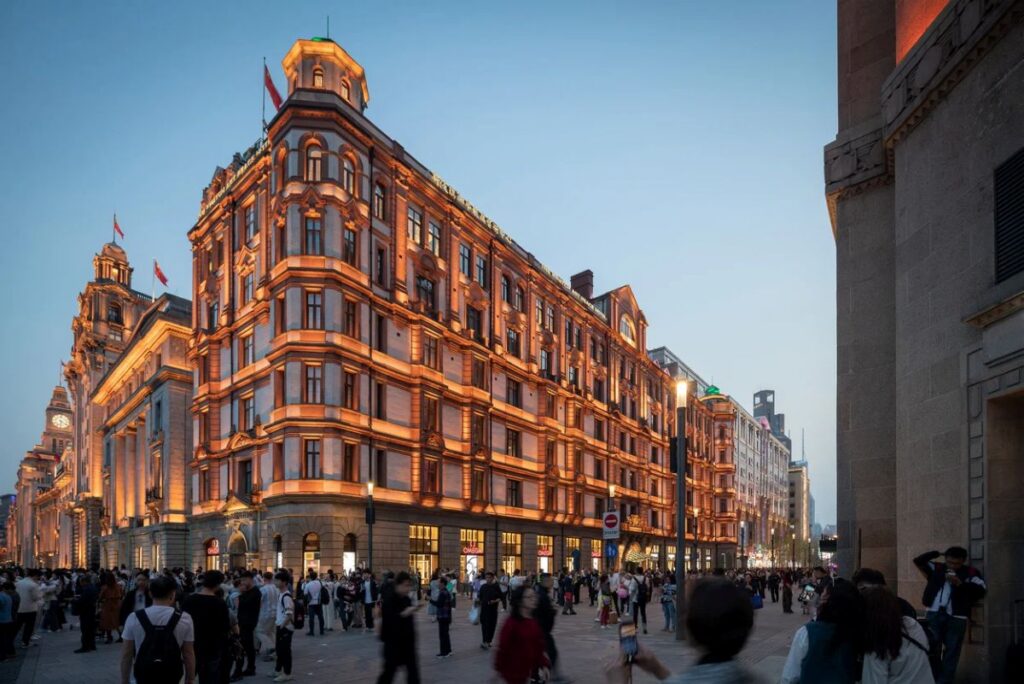
The revitalised Nanjing Road East Extension creates a vibrant pedestrian connection through central Shanghai © Snøhetta
Curated by ArchiRev Editorial | Feature Story | Published September 3rd, 2026 | Source: Snøhetta
Project Details
Architect: Snøhetta
Location: Shanghai, China
Typologies: Public Space, Urban Design, Landscape Architecture
Themes: Urban Regeneration, Public Realm, Landscape Architecture, Mobility, Heritage, Sustainable Design
Status: Completed
As cities grow more interested in walkability and civic activity, the repurposing of historical streets has been a chance to reinforce not only the culture but also the urban environment itself. With their new design of the Shanghai Nanjing Road East Extension, Snøhetta has managed to recreate one of the most recognizable commercial streets in the city, expanding the pedestrian-friendly quality of Nanjing Road into an open, flexible, and engaging urban space.
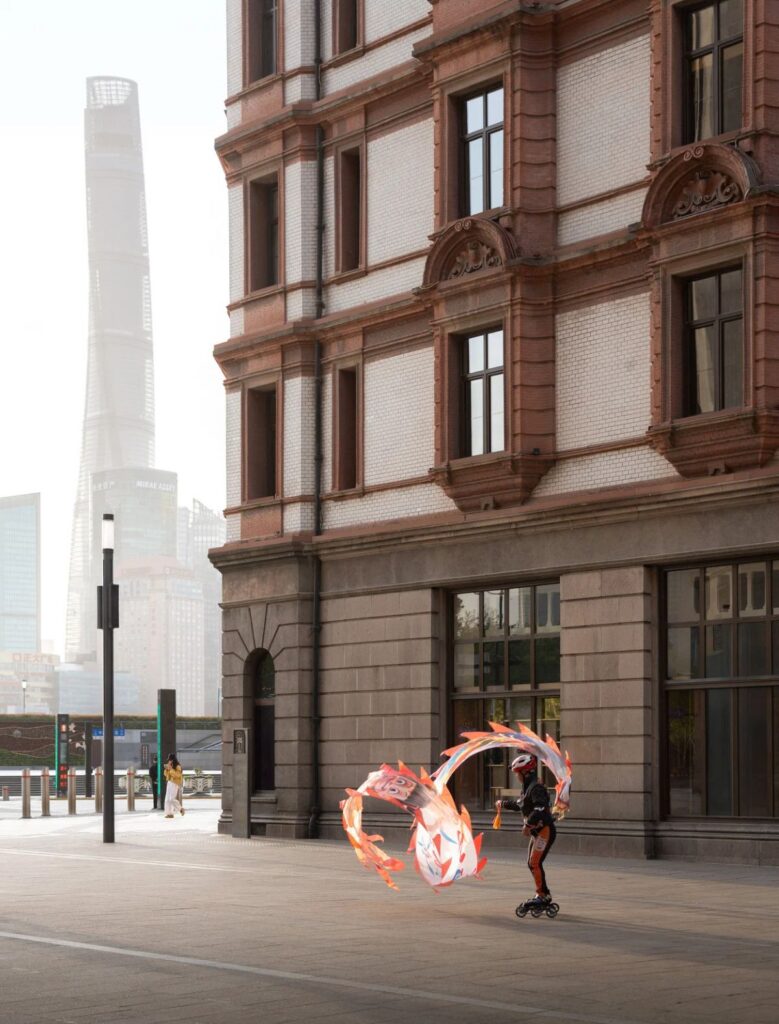
Located at the eastern end of the famous shopping street, the extension reinforces the connection between Nanjing Road, the Bund, and the rest of the city. More than just a way of moving through the urban environment, the refurbished boulevard is now a civic destination, where architecture, landscape, and commerce come together.
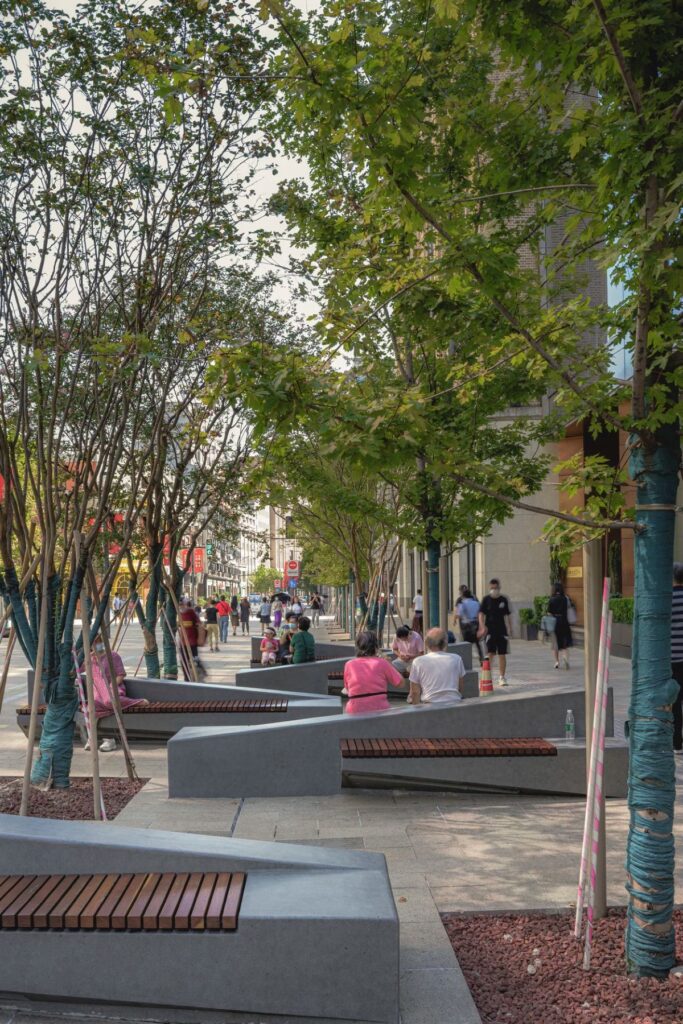
A unified streetscape blends paving, planting, and public space into a continuous urban experience © Snøhetta
In place of scattered street furniture components, a coherent public realm that enhances mobility and visual integration is provided in the form of the redesign. Paving composition is used to create a unified ground plane and at the same time direct people movement through the site. The lack of traditional physical boundaries allows for free pedestrian movement in an open environment.
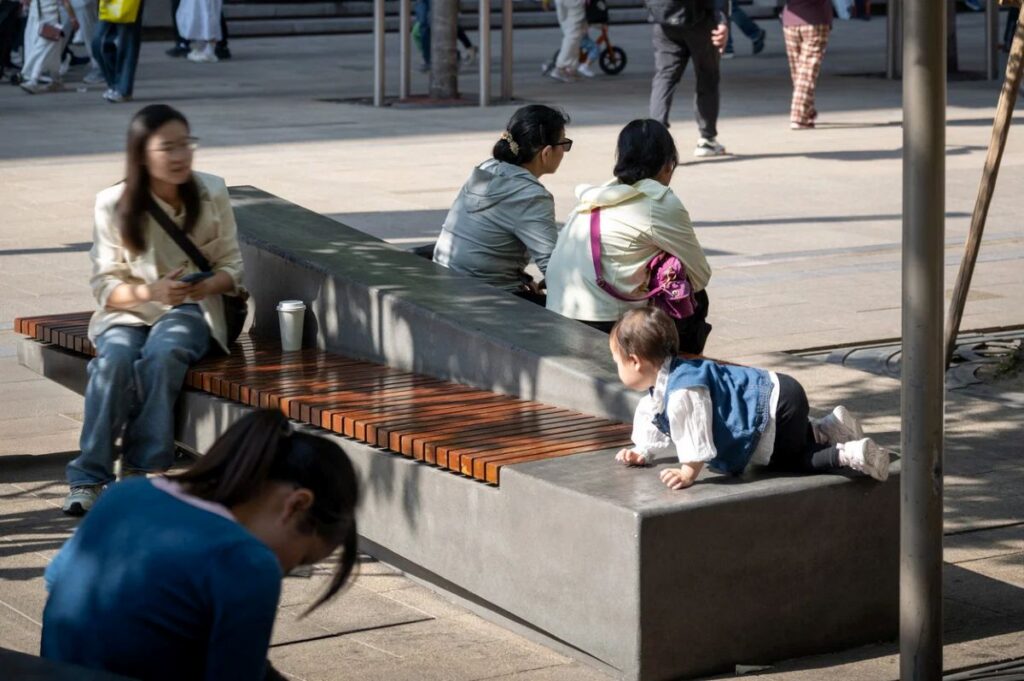
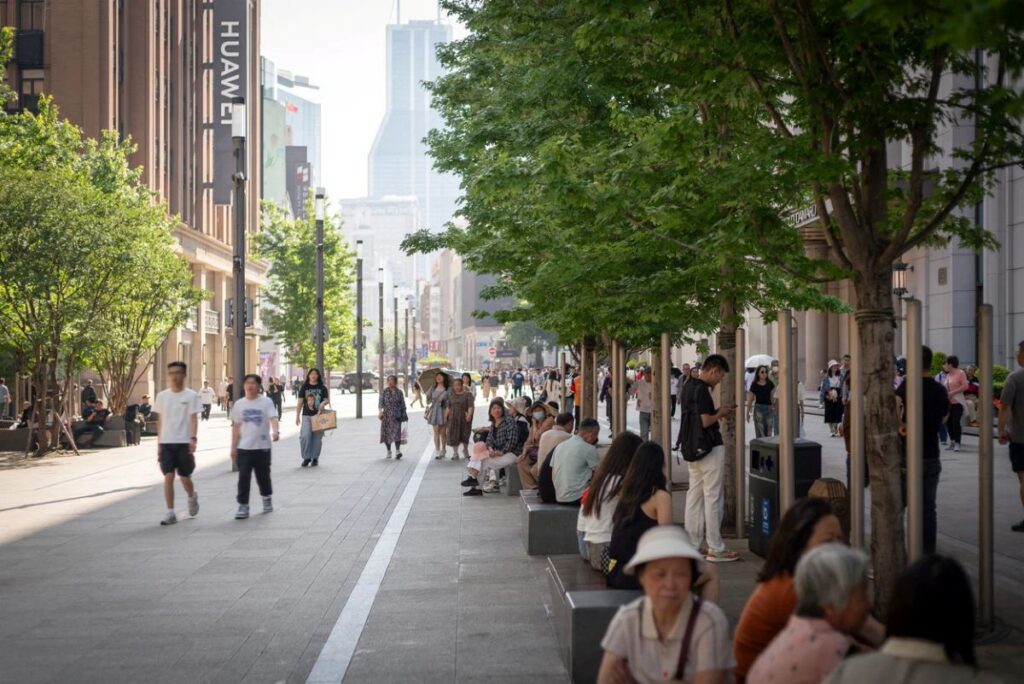
Landscape features are used throughout the boulevard to provide relief from the dense commercial environment. Trees, planting, and seating areas create shaded areas where people can sit and rest.
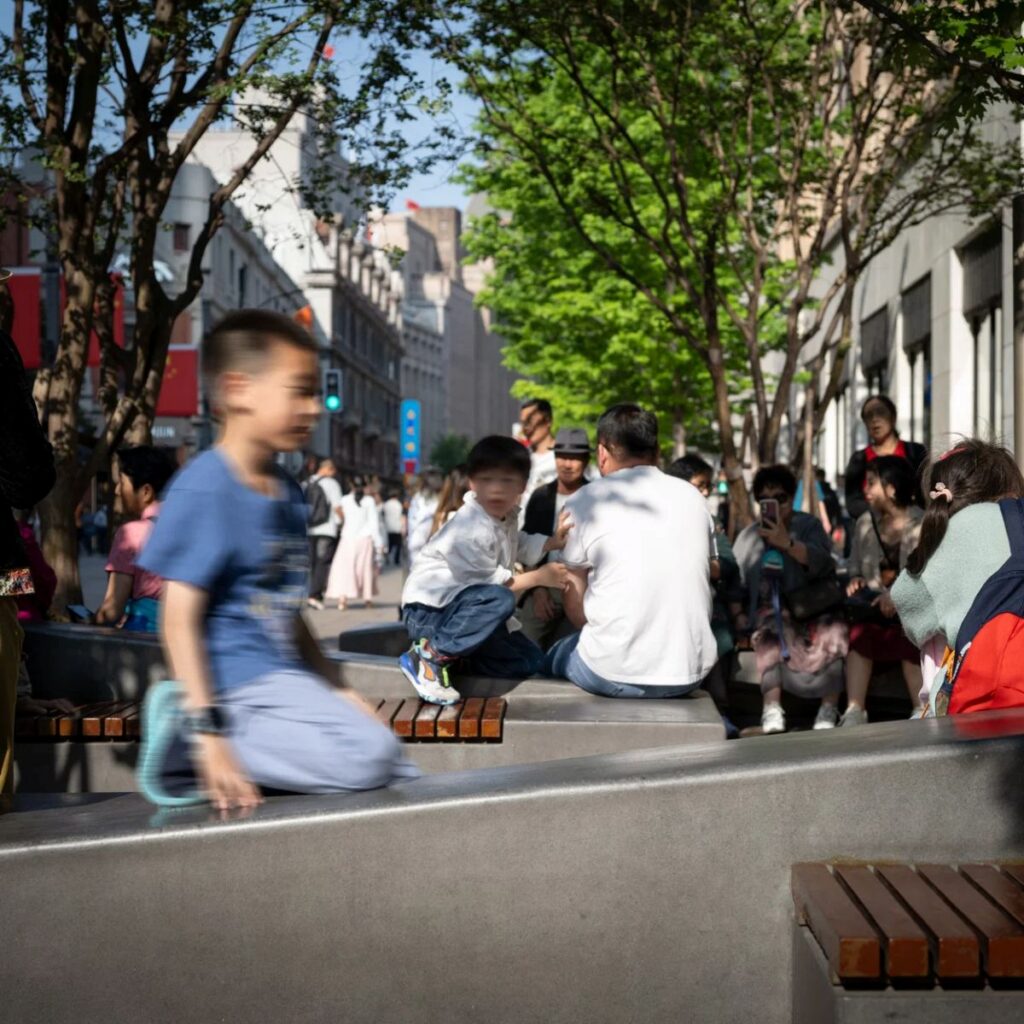
Public seating and landscape features encourage gathering along the historic boulevard © Snøhetta
The design focuses equally on mobility and occupation. The abundance of public seating, dynamic public areas, and strategically placed landscaping interventions help turn the street into a place that will accommodate a multitude of activities. People will be able to rest, meet, or view the city around without disturbing the normal movement along the street. These interventions contribute to the connection between commerce and public life, ensuring the activity of the boulevard outside of shopping and providing a more pleasant urban environment.
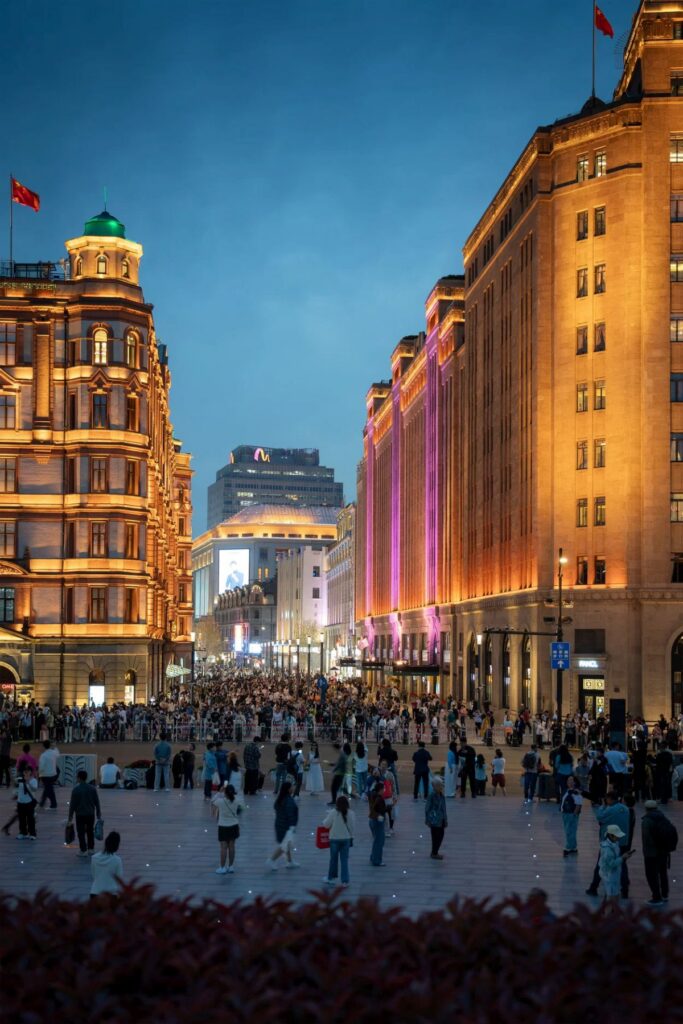
Carefully integrated lighting and streetscape elements enhance the boulevard after sunset © Snøhetta
A lighting scheme is very important in the creation of the renewed environment. The use of lighting will make it easy to recognize circulation paths, seating spaces, and the landscape elements through the provision of safe surroundings at night. Instead of using strong visual lights, the design of the lighting works well in the simplicity of the streetscape, where the buildings themselves become the focal point. This design will create a consistent appearance for the street, considering the historical value of the street.
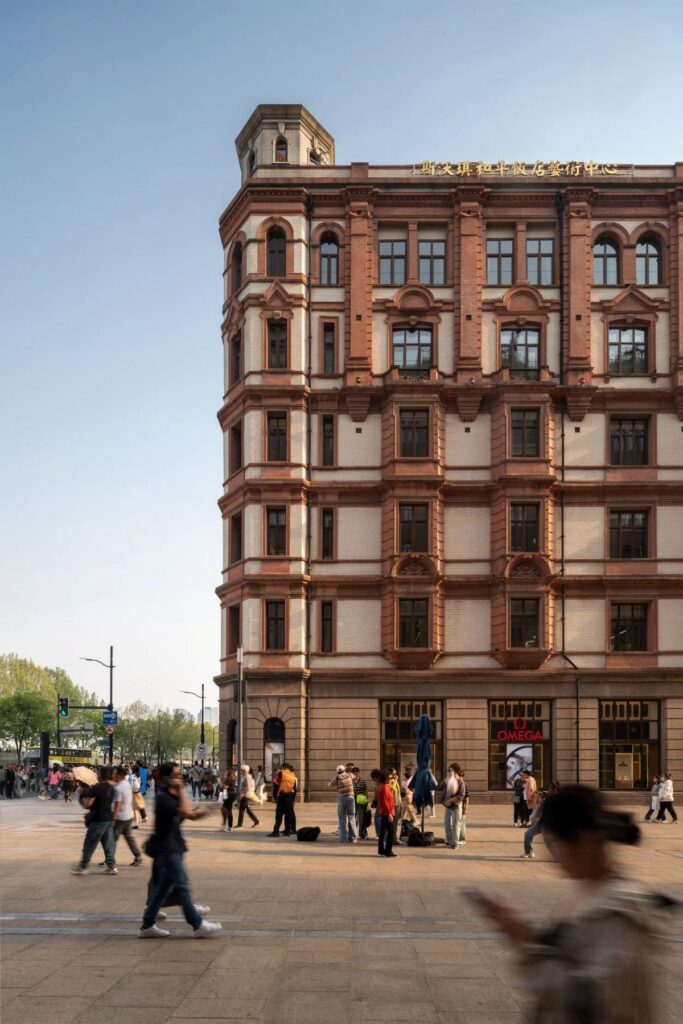
The redesigned boulevard strengthens connections between the city, commerce, and public life © Snøhetta
It helps to increase the level of connectivity in the district by connecting all surrounding roads, modes of transportation, commercial buildings, and monuments in a smooth way. In fact, pedestrian movement becomes very logical because of the logical organization of space, thus promoting exploration while minimizing possible conflicts among different street users. In this way, the importance of the boulevard as a vital connection is enhanced.
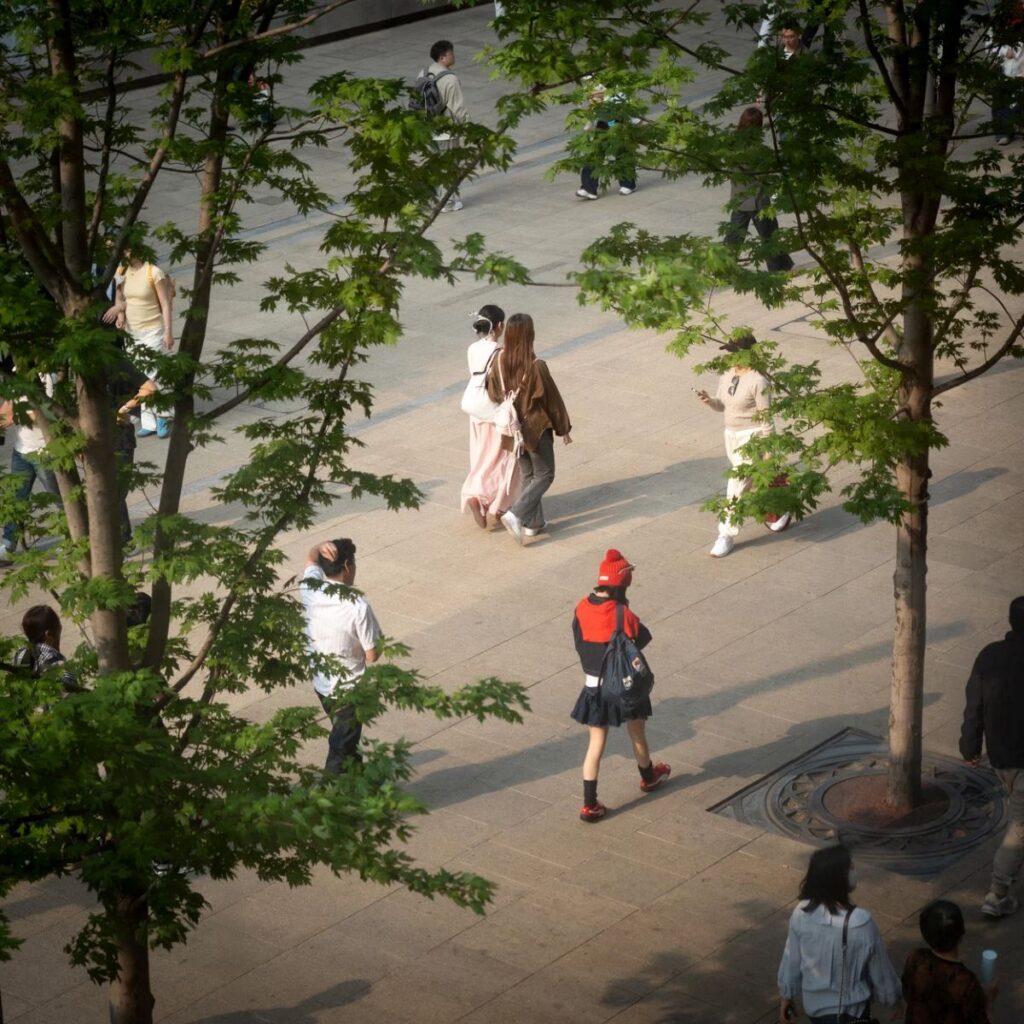
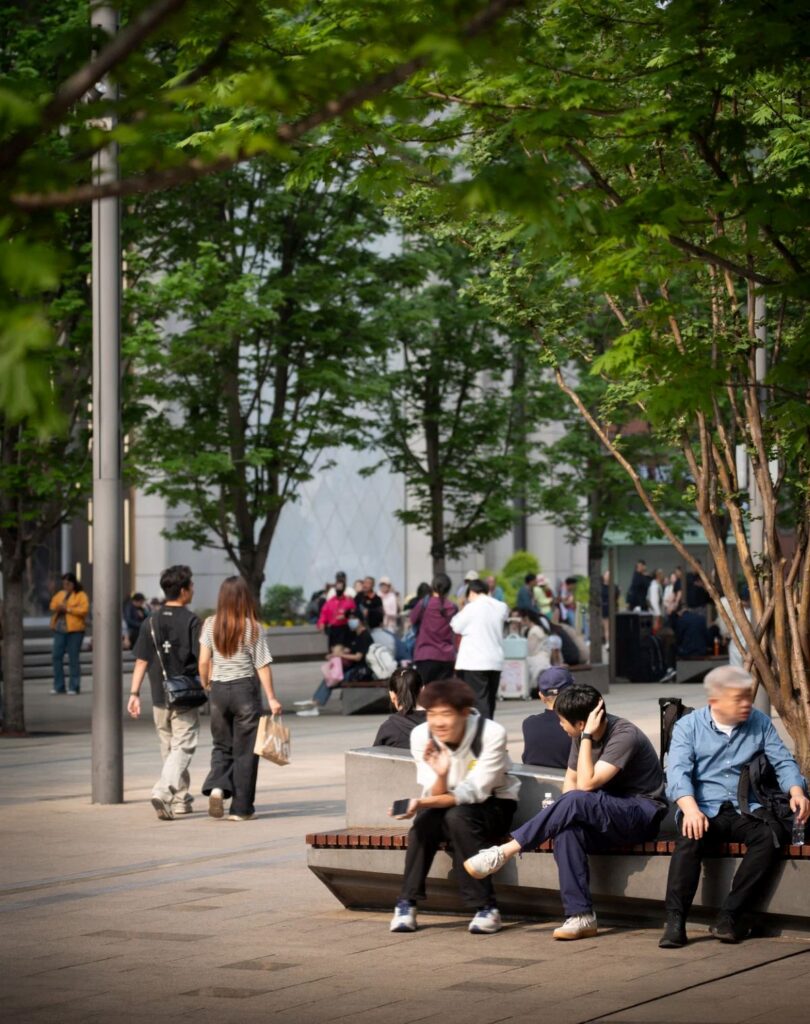
Sustainable landscape strategies improve comfort and environmental performance throughout the streetscape © Snøhetta
The environment is an important factor in the design process. More planting will provide additional vegetation in the city and help create a better microclimate. The use of robust materials, appropriate planting schemes, and durable elements of streetscape will ensure that the life cycle of the project is maximized and the maintenance needs minimized. The combination of landscape and resilient infrastructure creates a model of urban public space.
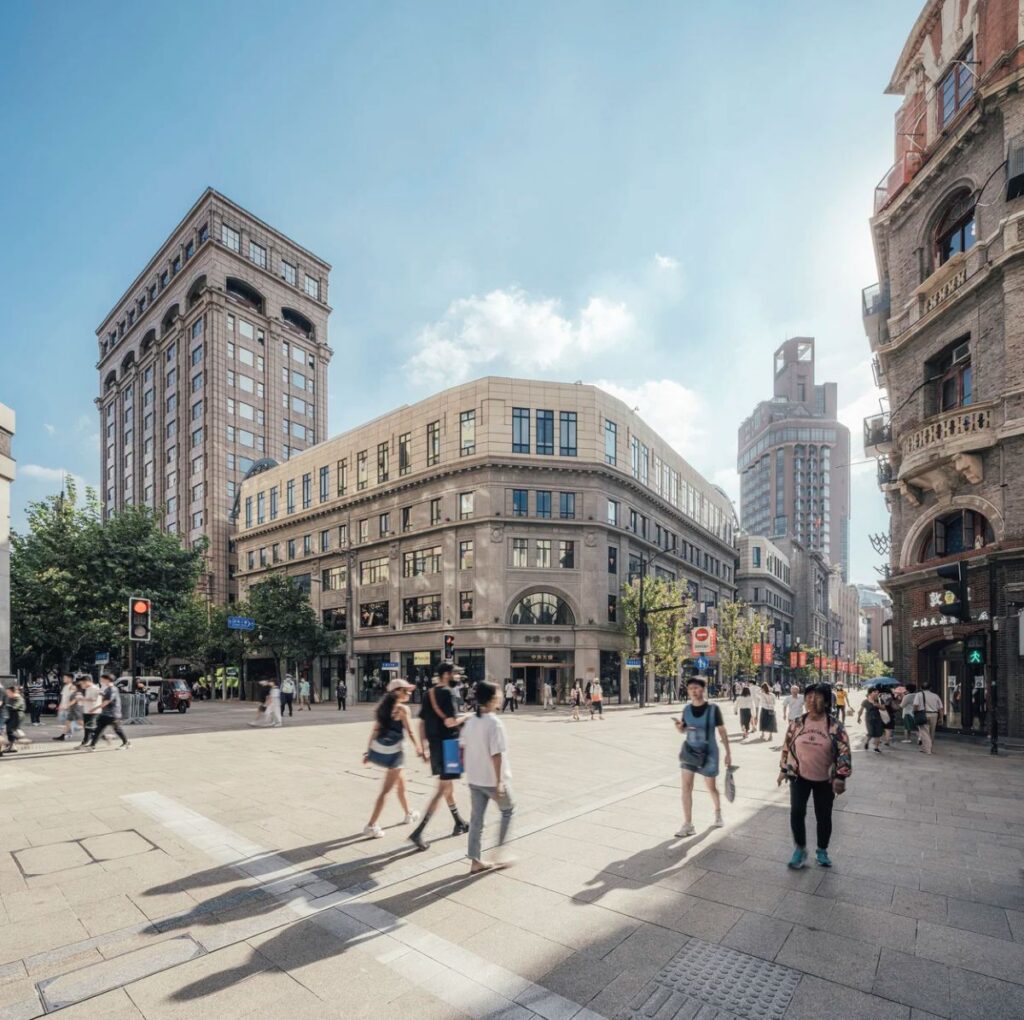
The completed extension creates a contemporary public realm while celebrating the legacy of Nanjing Road © Snøhetta
The project on the Nanjing Road East Extension in Shanghai illustrates the potential of urban street rejuvenation in reinforcing cultural identity and practical life. Creating a coherent urban environment that consists of public realm, landscape and pedestrian connections, the Snøhetta architecture studio manages to make one of the main commercial streets of Shanghai more comfortable and human-oriented. The project presents a new approach to urban revitalization, where such aspects as heritage, mobility, sustainability, and public space become parts of one coherent street environment.